
See english version below.
Unikalne miasto na egzotycznej wyspie. Z mieszkańcami żyjącymi najczęściej z dnia na dzień, żywo poruszającymi tematy rewolucyjne, polityczne i o zachodzących zmianach. Z kolonialną architekturą i samochodami, czasami lśniącymi, a czasami w rozsypce. Nie tak dawno byli tutaj Fidel Castro, Ernesto Che Guevara, Ernest Hemingway. Po zatopieniu się w okolicy wydaje się, że to jeszcze nie historia i przeszłość.
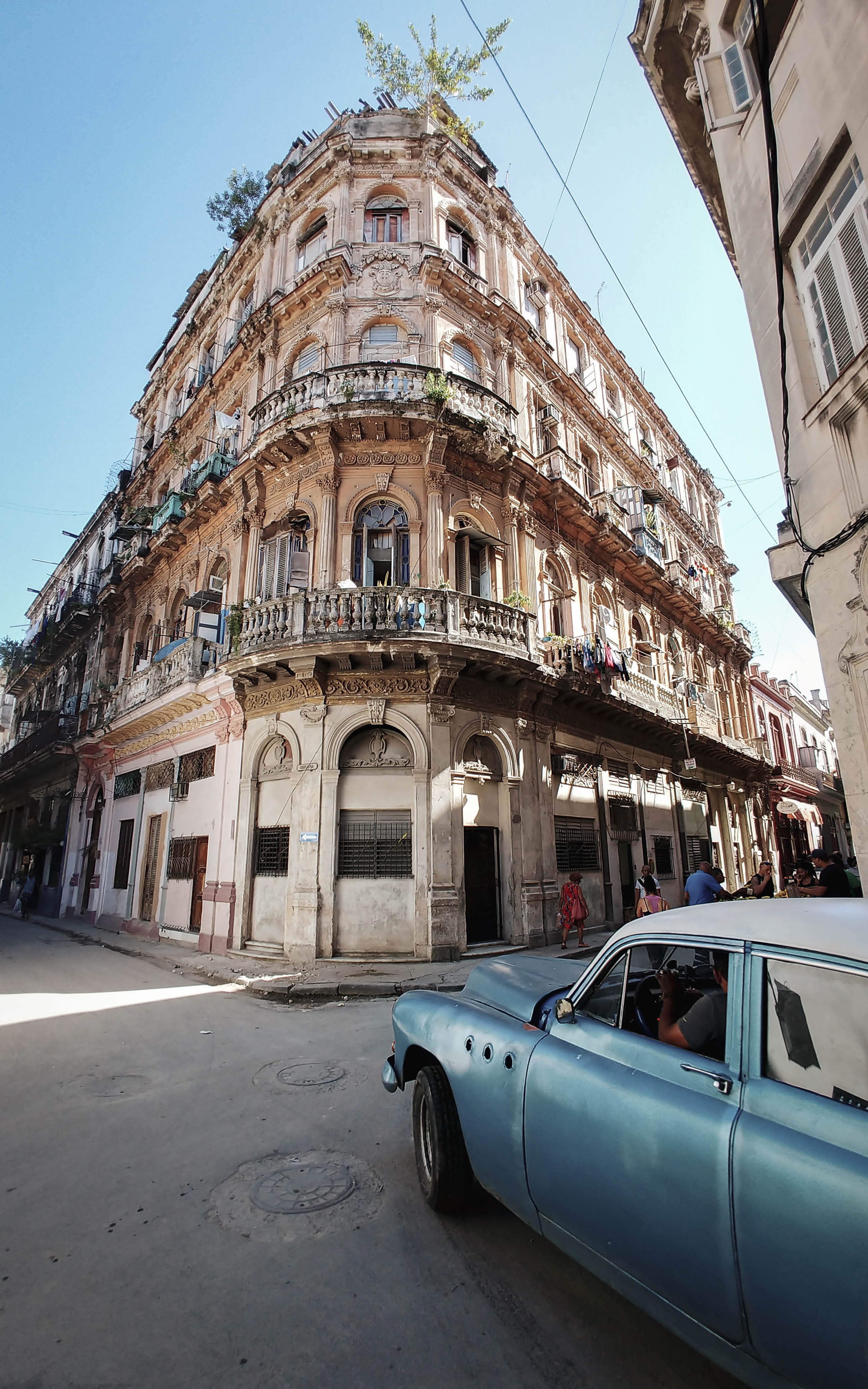
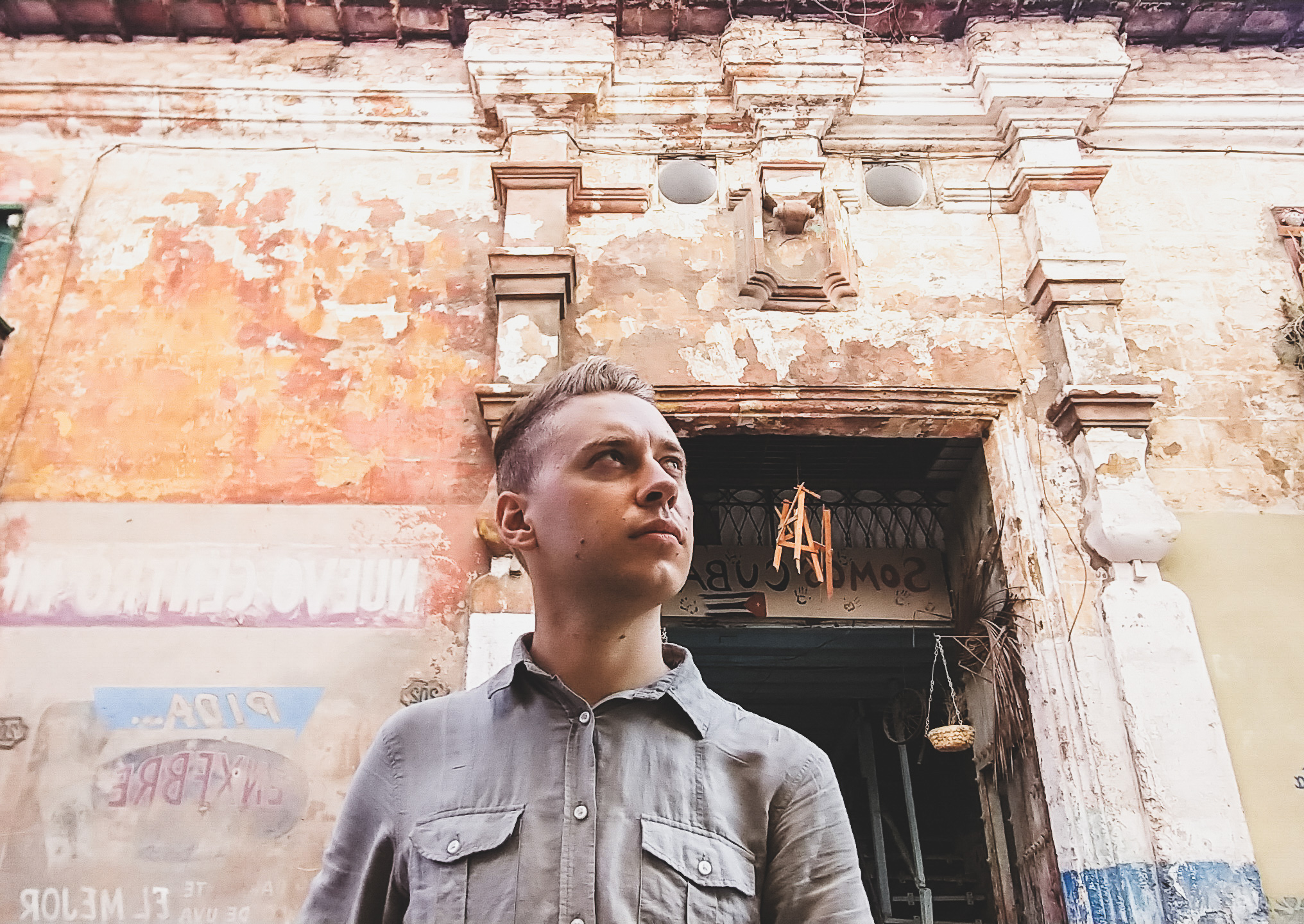
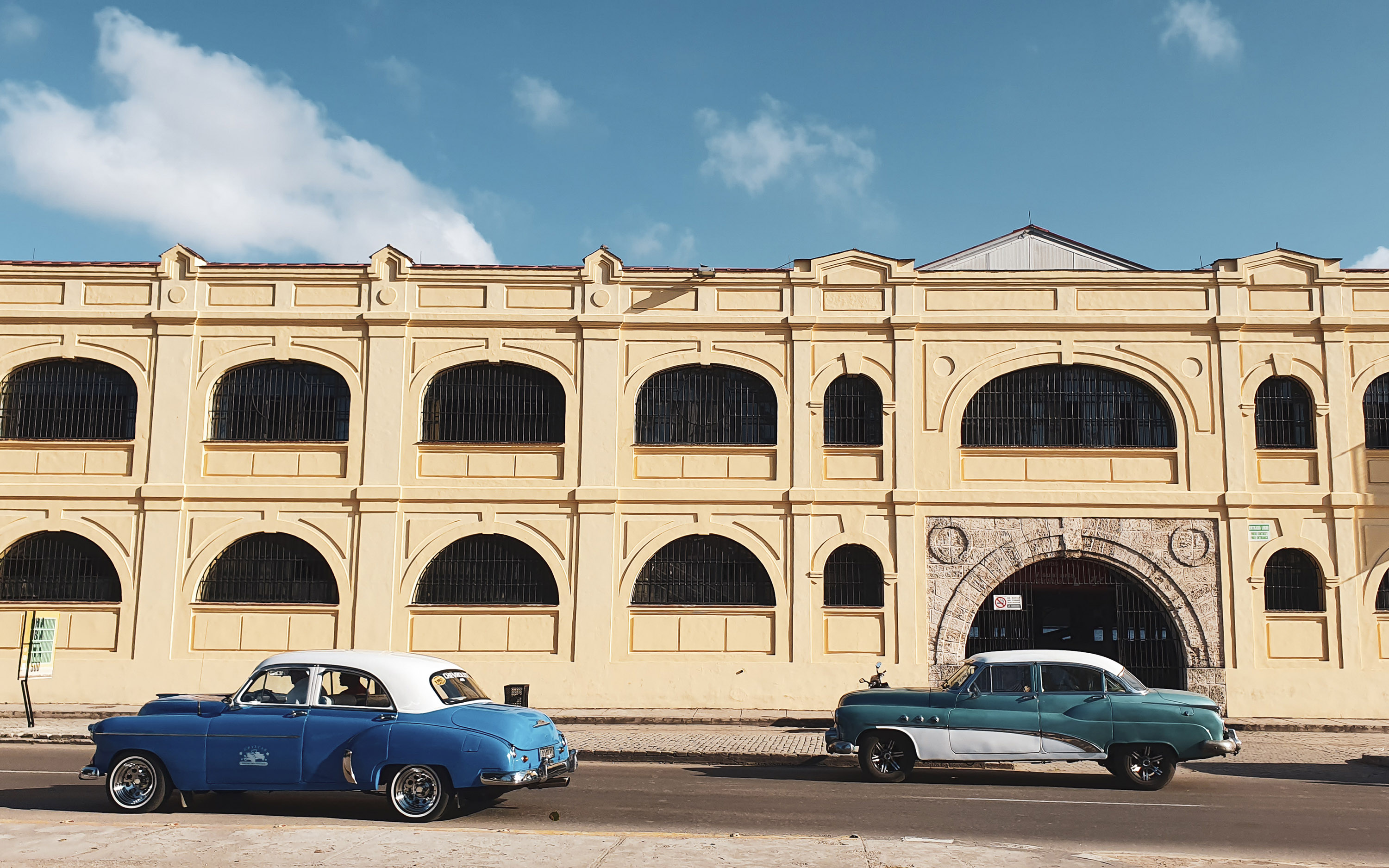
Stara Hawana to mieszanka wąskich ulic, klimatycznych placów, ponad 900 budynków – często malowniczych i z wartością historyczną, straganów z owocami, mogących wyglądać na stare i zaniedbane sklepów z rumem i napojami. Również restauracji i kolorowych sklepików z pamiątkami. Wyraźnie widać nieubłagany upływ czasu na niszczejących budynkach lub ich pozostałościach. Niestety, czasami te nowe, w miejscu starych pałaców i kamienic, architekturą nie nawiązują już do klimatu kolonialnego, są po prostu zwykłymi prostopadłościanami. Ale dzięki wysiłkom UNESCO inne budynki po renowacji zachowują swój dawny klimat i wrażenie kilku warstw tynku w różnych kolorach. Idąc przez Hawanę często miniecie górę śmieci i cuchnące zaułki. Stara Hawana jest pełna zwierząt domowych, ale uboga w skwery i miejsca zielone, więc toaletą są wąskie ulice będące jedyną drogą dla pieszych, rowerów, riksz czy kultowych samochodów. Te ostatnie są nieodłącznym elementem otoczenia. Najczęściej to buicky, chryslery, hudsony i fordy.
Ta mozaika w krajobrazie miasta powoduje, że podczas zwiedzania i kluczenia uliczkami przeplatają się zachwyt i ubolewanie, euforia i niesmak, ale duch czasu i wciąż żywe nastroje i wspomnienia rewolucyjne są tu obecne na tyle, że Hawana w przewadze przywiązuje do siebie i budzi tęsknotę po jej opuszczeniu.
Jest to miasto tak oryginalne, niepowtarzalne, z wartością historyczną i kulturalną, że otrzymało miano jednego z ważniejszych miejsc całej Ameryki Łacińskiej.
Klucz doboru poniższych miejsc jest prosty. Albo powróciłem do danego miejsca na Starówce wiele razy, albo byłem tak bardzo pozytywnie zaskoczony, że zaznaczyłem je na mapie. Zapraszam Was do Starej Hawany. Idąc pomiędzy wymienionymi miejscami słyszycie muzykę graną na ulicy lub wydobywającą się z licznych knajpek lub restauracji. Niech nie zmyli Was ekskluzywny wygląd miejsc, to nieliczne takie w Havanie, a tym samym… na całej Kubie.
1. Jeden lub cztery place
Uwaga odwiedzających Starówkę Hawany koncentruje się głównie na 4 placach, łączących je sieciach uliczek i skoncentrowanych w tej okolicy budynkach. Te place to: Plaza de la Catedral, Plaza de Armas, Plaza de San Francisco i Plaza Vieja.
Każdy z wymienionych placów ma trochę inną powierzchnię i inny charakter, łączą je labirynty ulic najbardziej malowniczych w całej Hawanie, dlatego dobrze zwiedzanie Starówki oprzeć na spacerze właśnie pomiędzy wszystkimi czterema punktami.
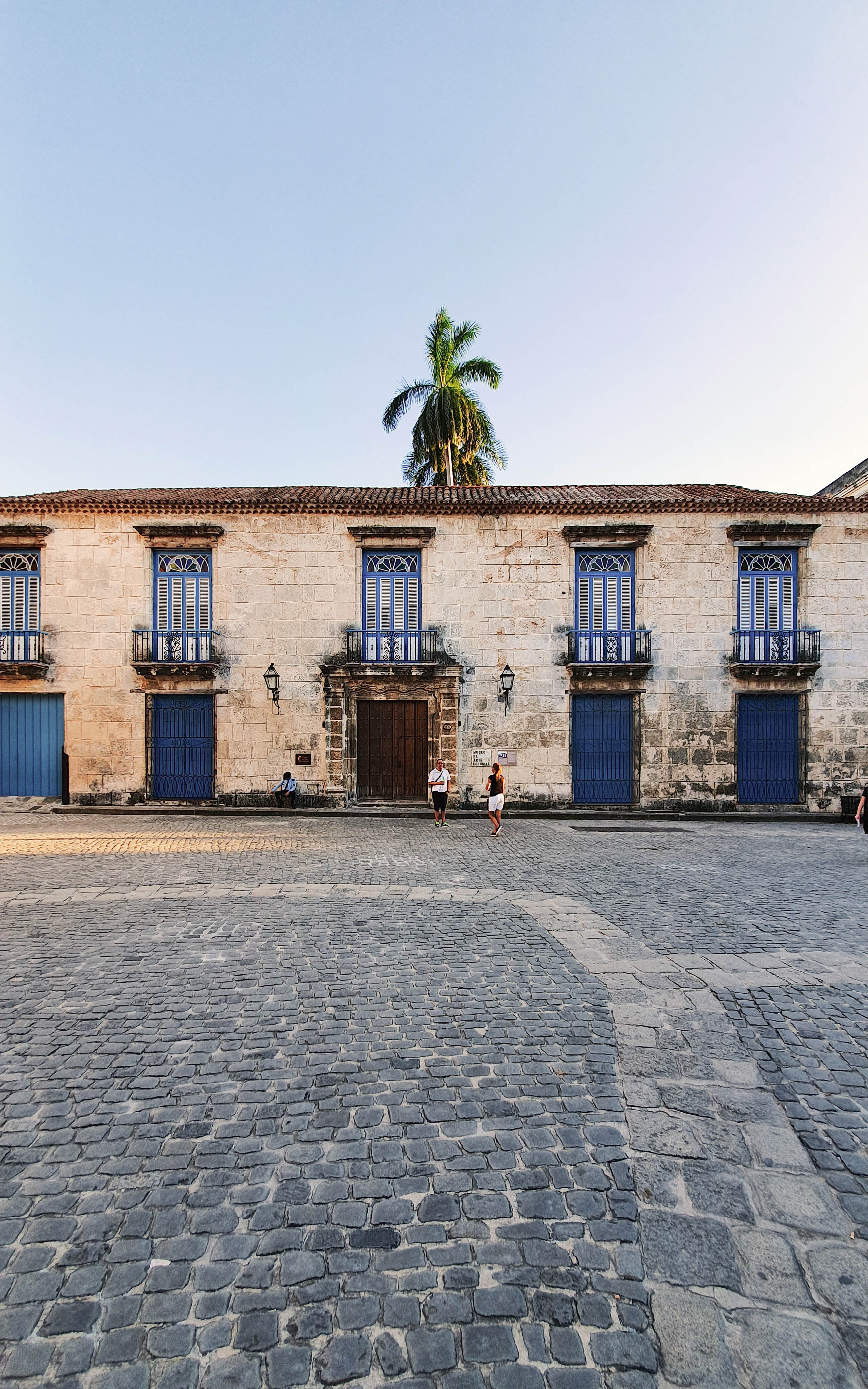
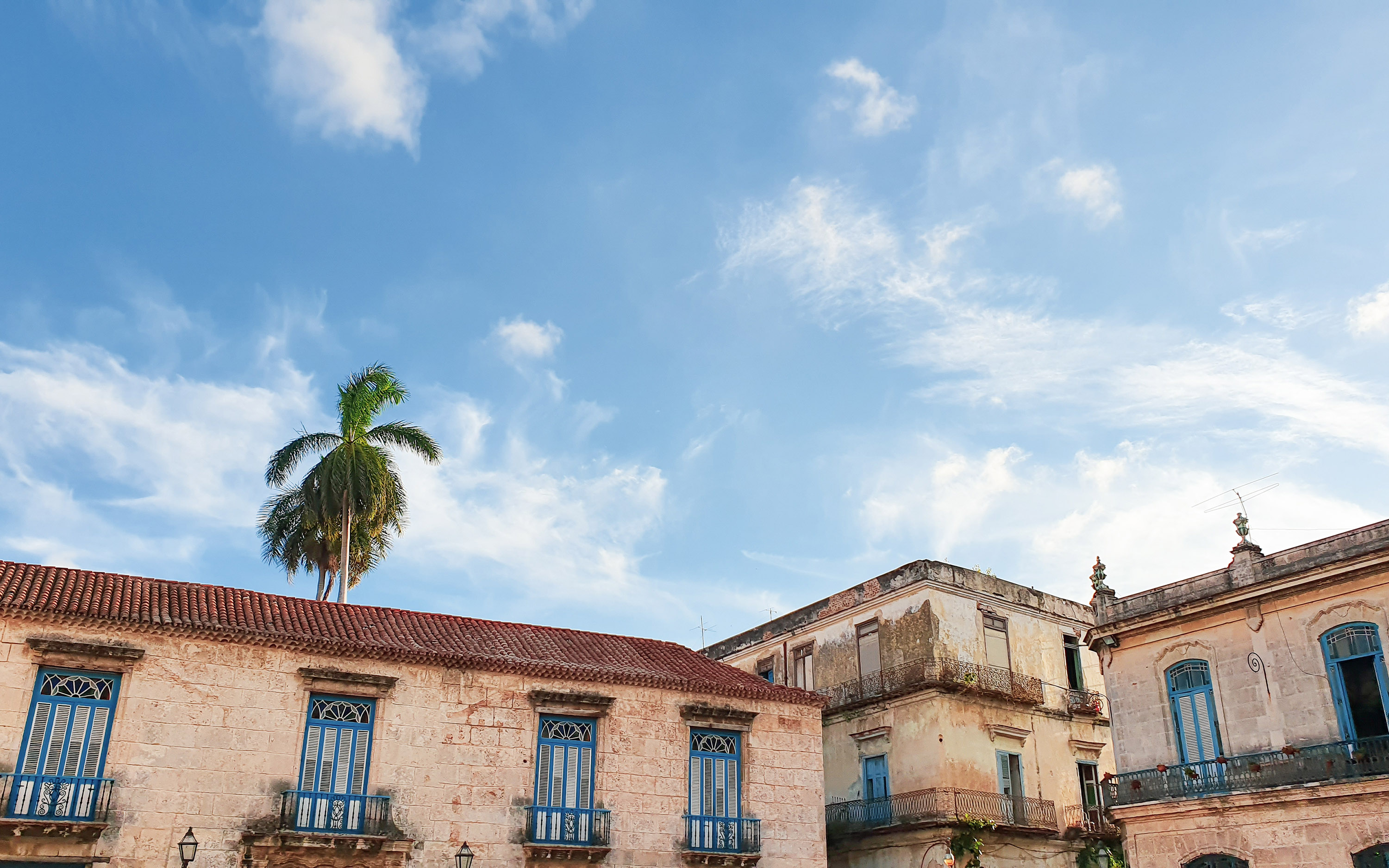
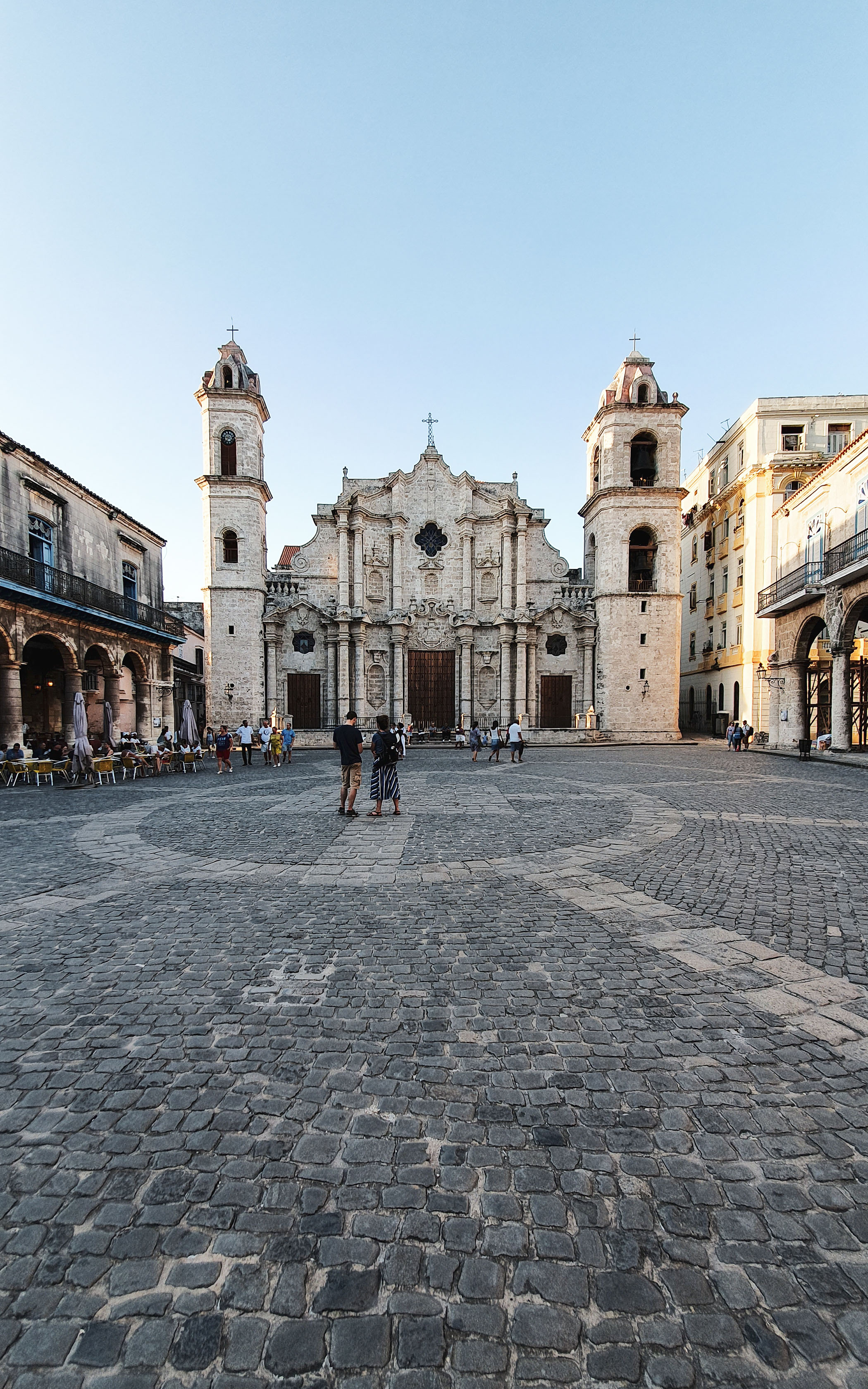
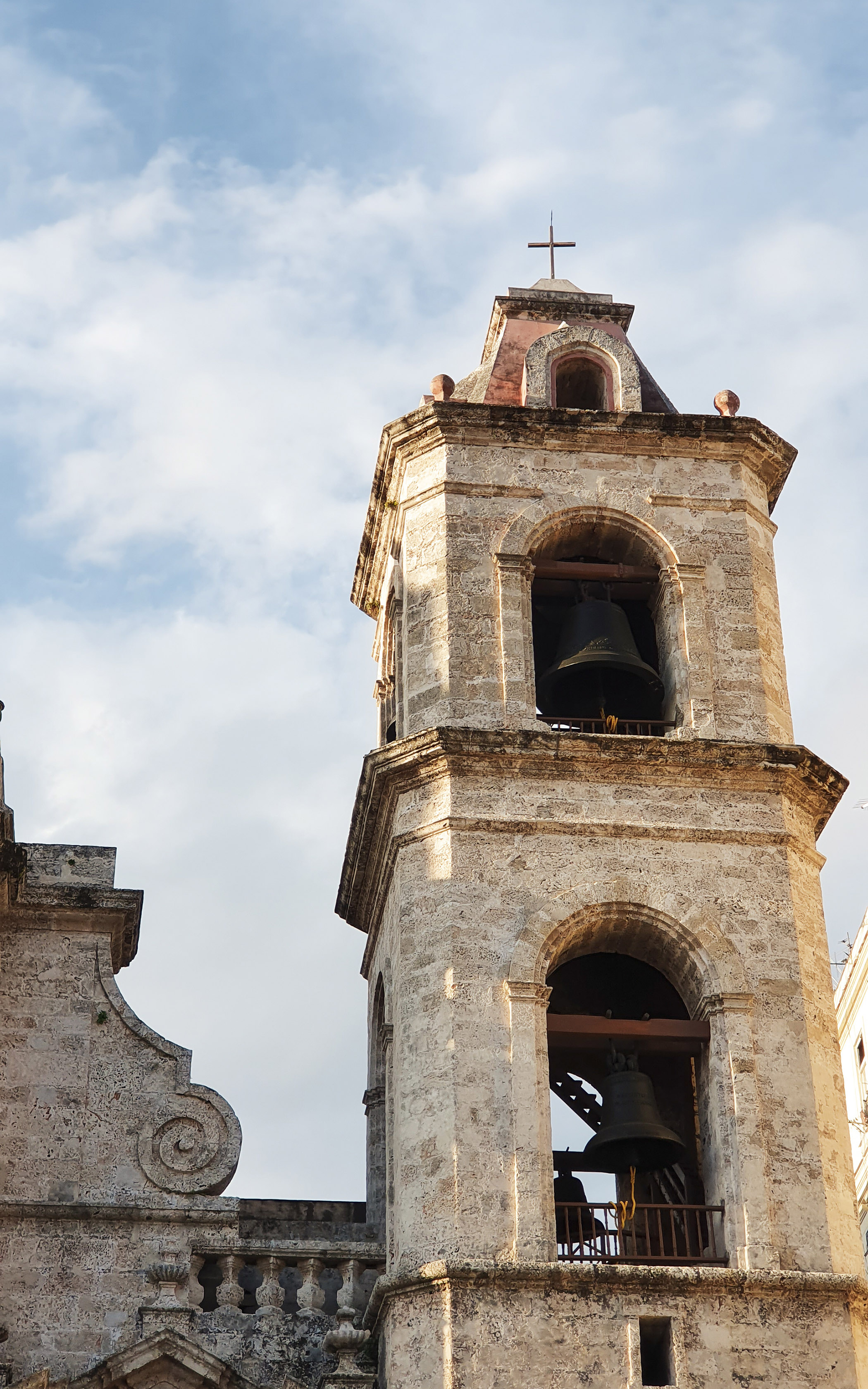
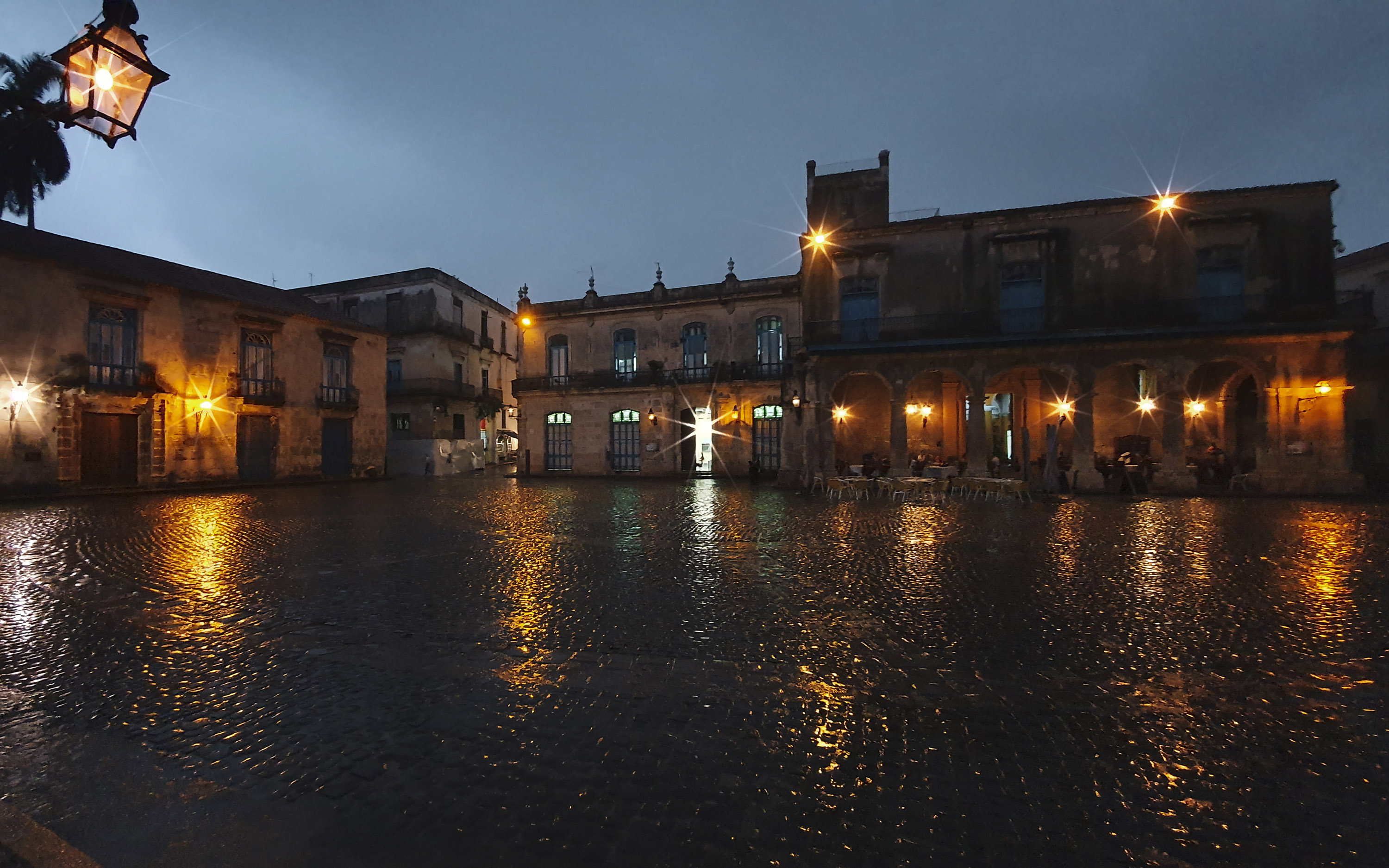
Jeśli jednak masz czas tylko na jeden – placem, na który powracałem najczęściej był Plac Katedralny. Katedra budowana w latach 1748 – 1787 z dwoma nierównymi wieżami i barokową fasadą, zabytkowe kamienice, bruk i muzyka dobiegająca z restauracji tworzą absolutnie wyjątkowy klimat zarówno o wschodzie słońca, w południowy skwar, gdy od bruku bije żar, jak i wieczorem. Zdarzyło mi się usiąść na stopniu i obserwować życie na placu albo czekać pod zadaszeniem godzinę, aż znad opustoszałego Plaza de la Catedral przeminie ulewa.

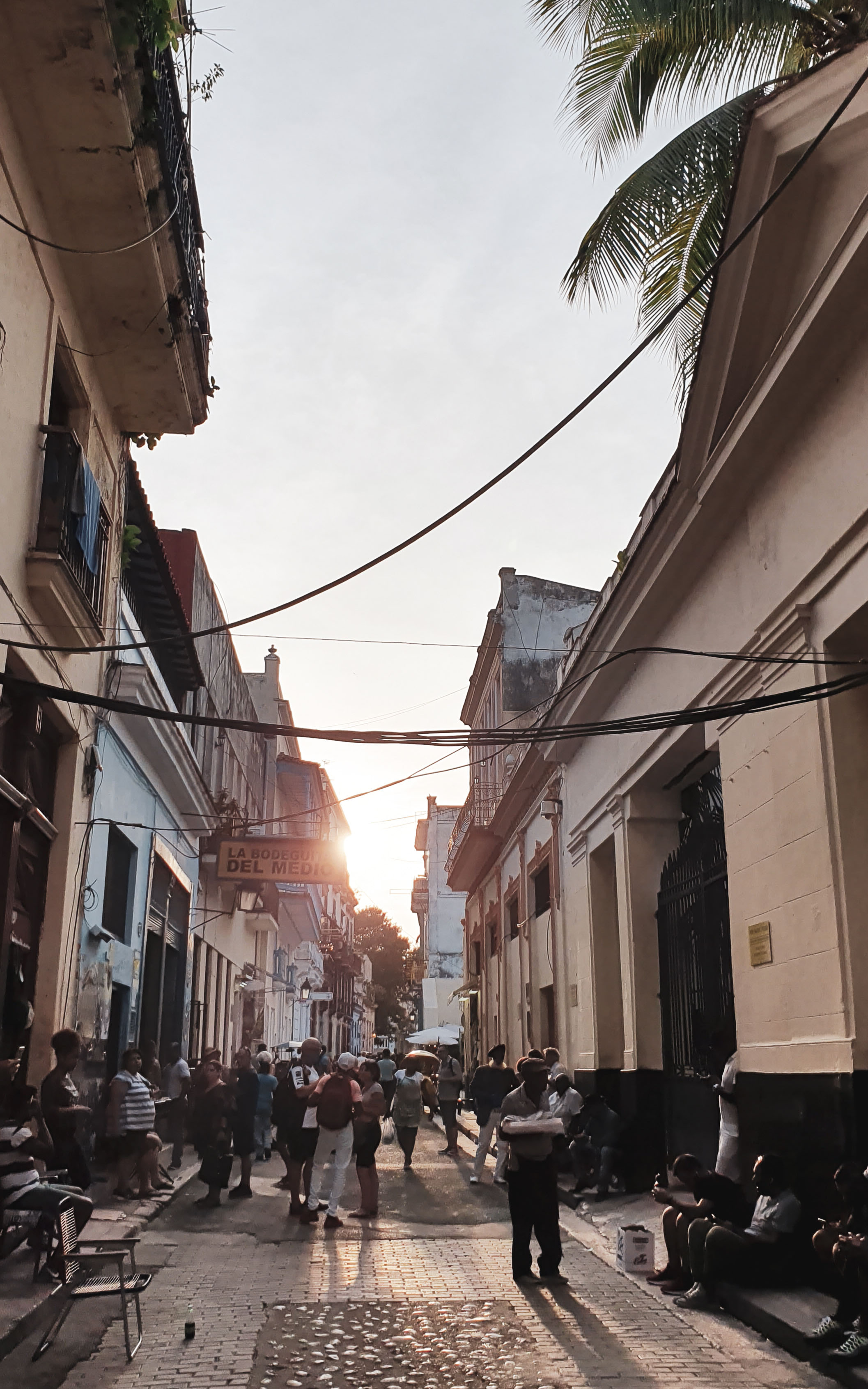
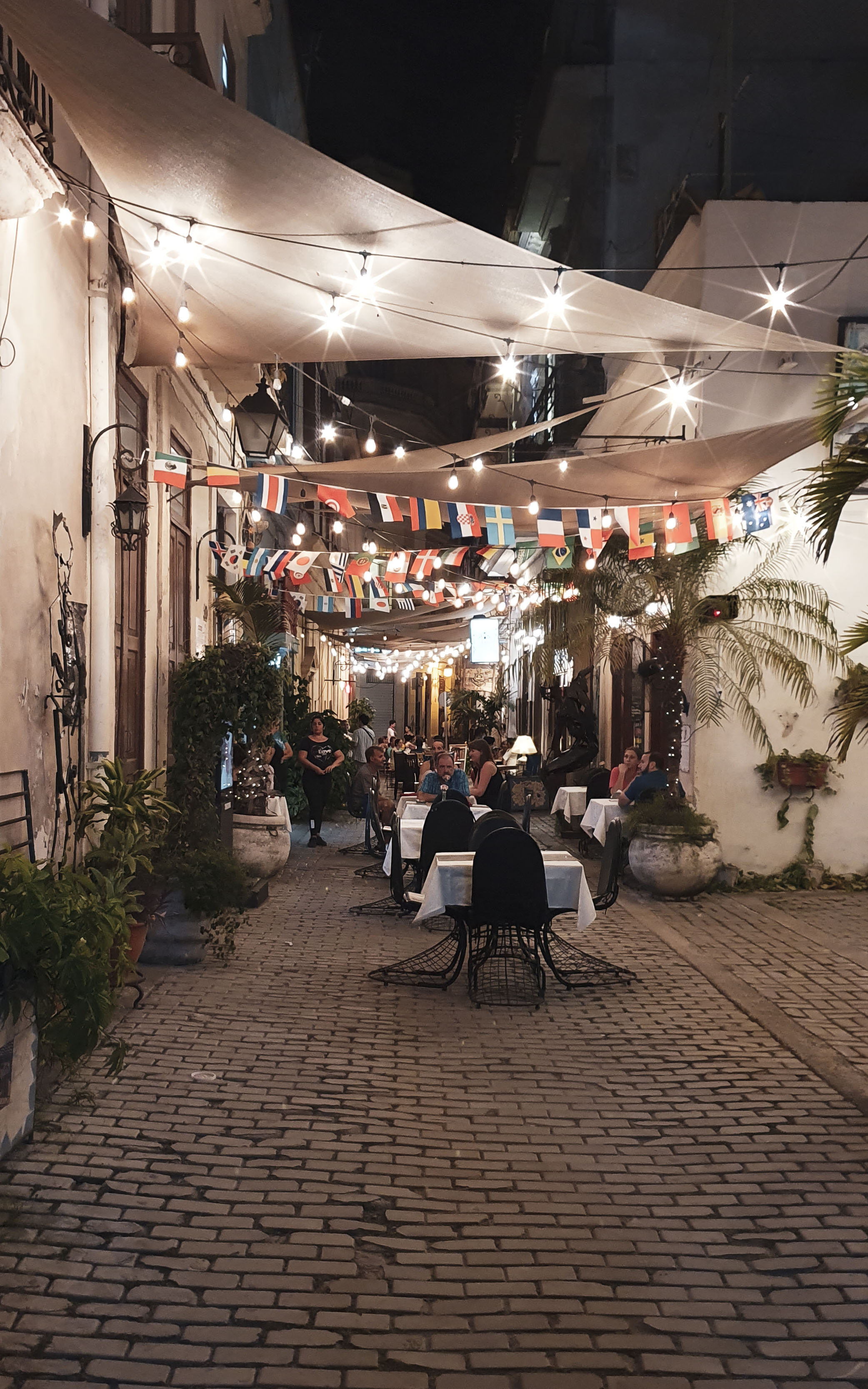
Od Placu Katedralnego dzieli Cię kilkadziesiąt metrów do knajpki La Bodeguita del Medio, słynnej dlatego, że była jedną z dwóch ulubionych kawiarni odwiedzanych przez Hemingwaya na Mojito i Daiquiri. Zazwyczaj jest w niej tłoczno, a tłum gromadzi się również przed kamienicą. Nawet jeśli nie zatrzymasz się tutaj na drinka, warto odwiedzić to miejsce wypełnione gwarną atmosferą i głośną muzyką, aby poczuć klimat głośnej i entuzjastycznej Kuby.
2. Najlepsza kuchnia z muzyką na żywo
Naszym pomysłem na Starą Hawanę było obejść wszystkie ulice. Klucząc tak, uliczka po uliczce, dotarliśmy do restauracji La Calesa Real. Pierwszy raz zajrzeliśmy tutaj niepewni oferty, w kolejnych dniach powracaliśmy dla dużych dań i pysznej kuchni.
W menu znajdziesz dania oparte na mięsie, rybach, owocach morza. Krewetki i homara na kilka sposobów. Ryż w wielu wersjach, w tym wegetariańskiej, paellę, risotto, makarony. Ceny dań mieszczą się w przedziale 5-12 CUC, smażony ryż 4 CUC, makarony ~5 CUC, desery ~3 CUC, soki, kawa i herbata ~1-2 CUC.
Karta jest też dopracowana pod kątem wyboru drinków (4-5 CUC), a na osoby szukające napojów bez alkoholu czekają koktajle owocowe (2-3 CUC).
Wieczorami w restauracji grana jest kubańska muzyka na żywo, pamiętam to miejsce również ze względu na bardzo przyjazną obsługę.

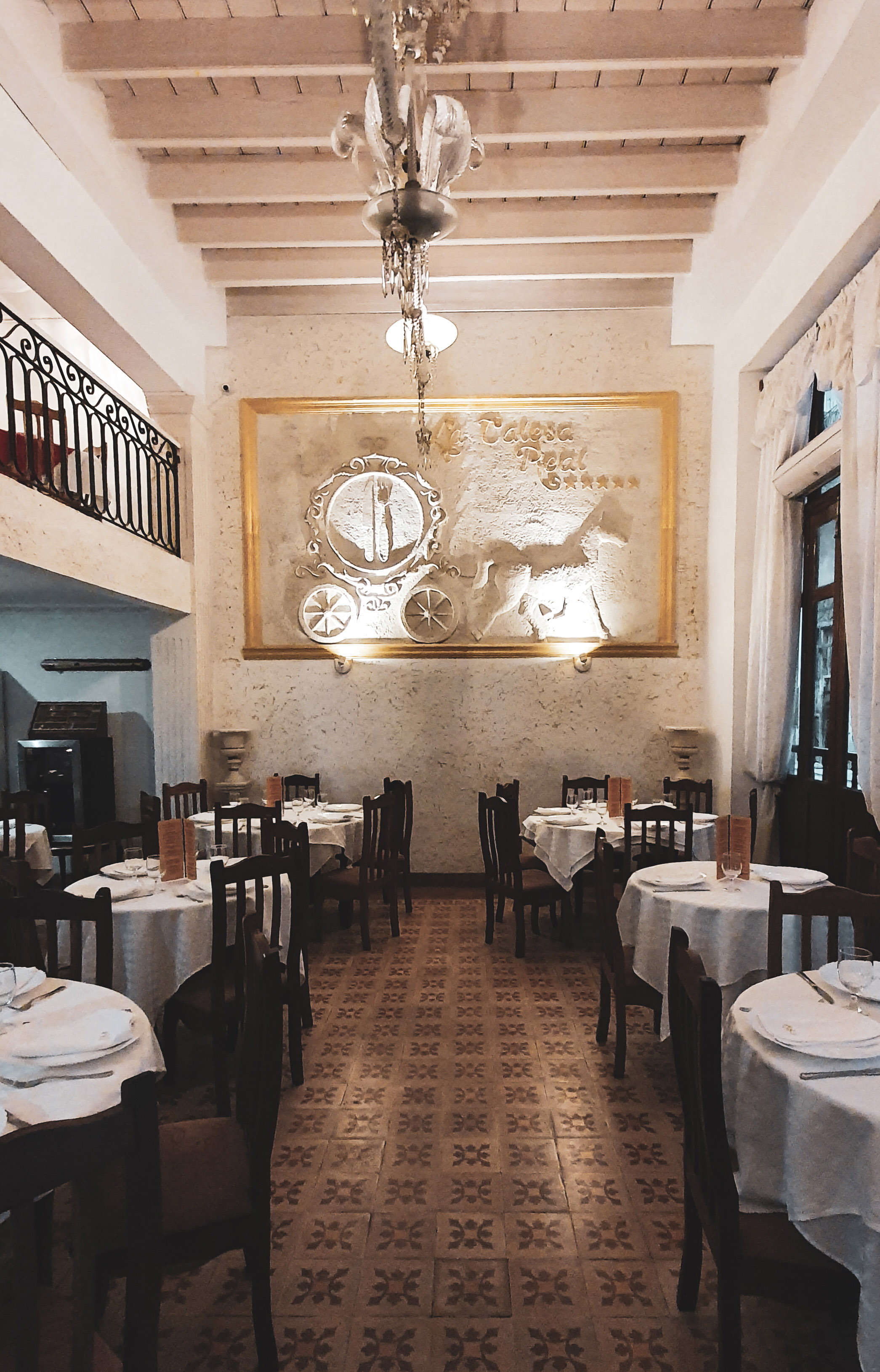
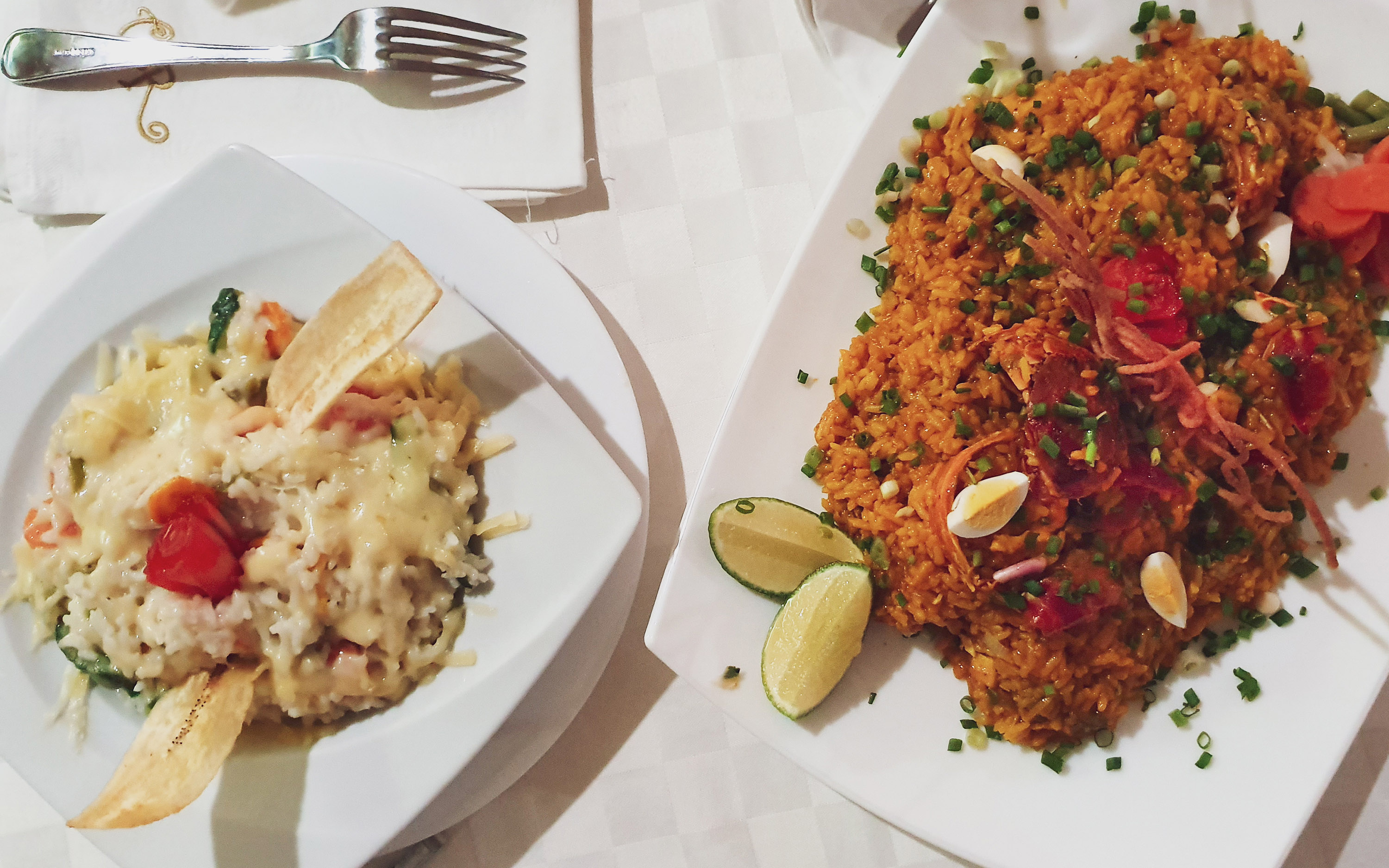
1 CUC (peso kubańskie wymienialne) ≈ 0,90 EUR ≈ 3,90 PLN
La Calesa Real
Compostela 359, pomiędzy Obrapia i Lamparilla, Habana Vieja
3. Jest tu cukiernia
Cukiernię Dulcería La Especial de Compostela odkryliśmy blisko restauracji La Calesa Real. Zazwyczaj czekała tutaj propozycja 3-5 ciastek. Wizyta pozwalała podładować baterie i odwlec głód i ciepły posiłek o kilka godzin tanim, jak na Kubę, kosztem, bo od 0,7 CUC.
To jedyna cukiernia na jaką natrafiłem w całej Starej Havanie.
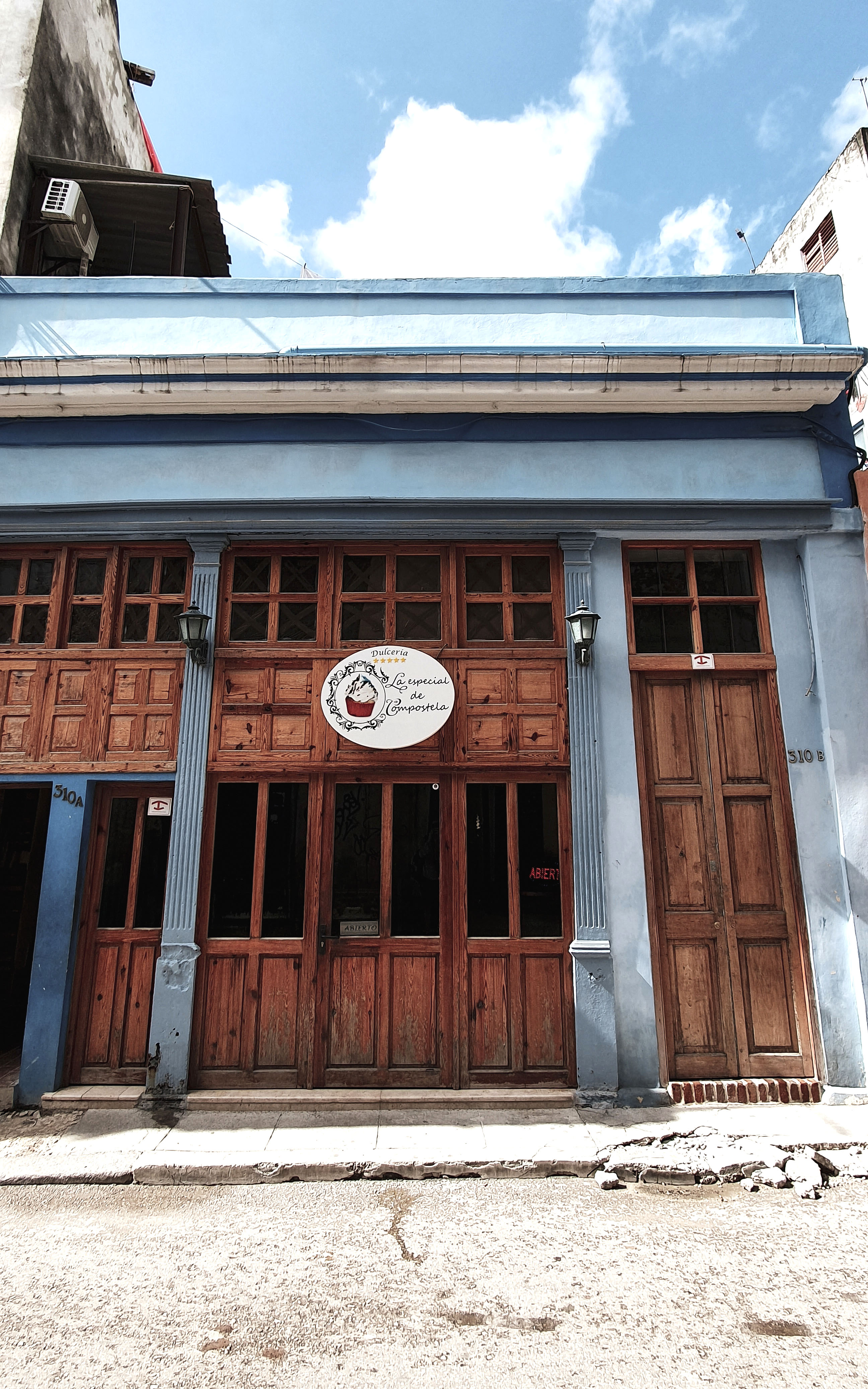
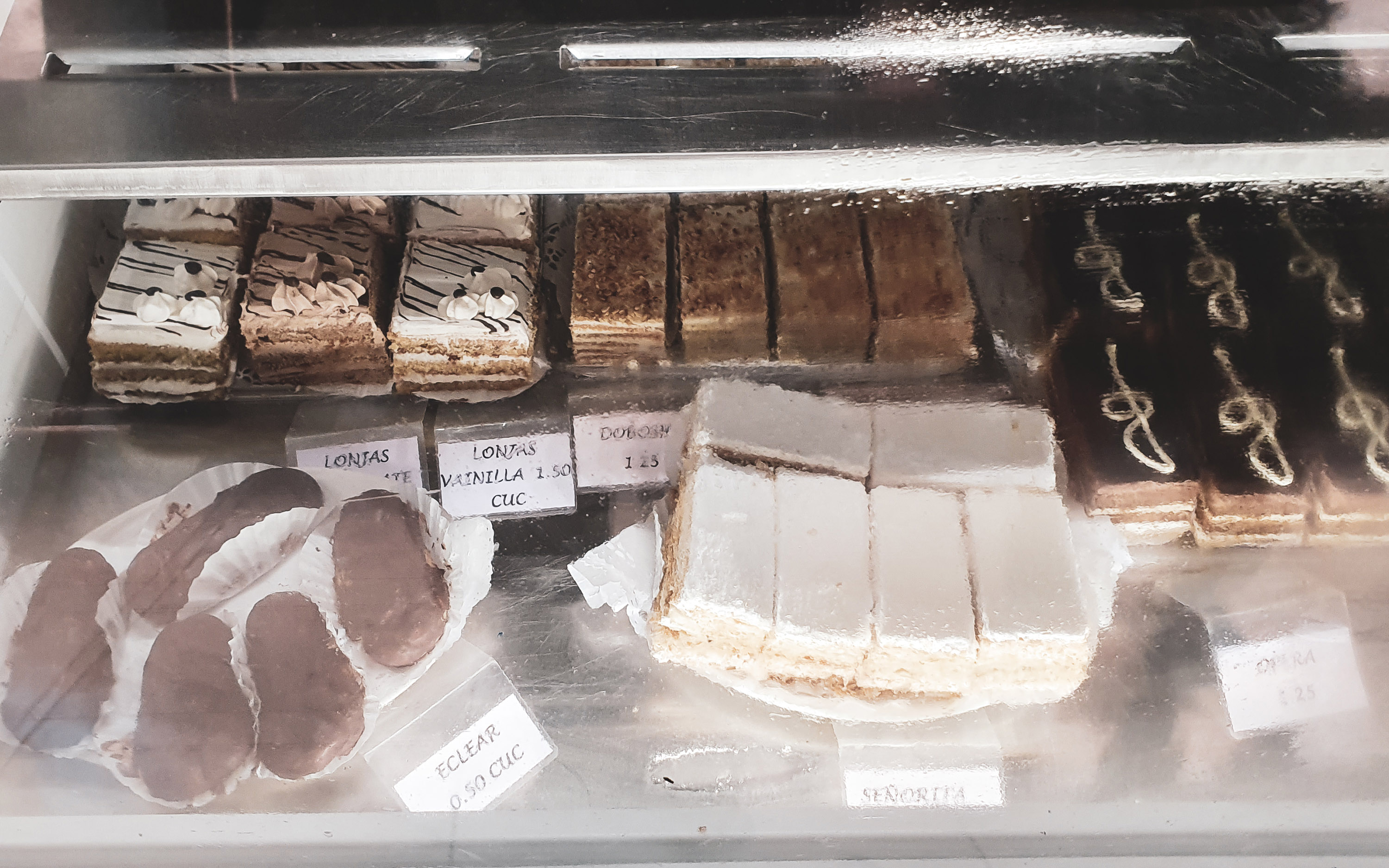
Dulcería La Especial de Compostela
Compostela 310, pomiędzy Obispo i Obrapía, Habana Vieja
4. Zanurz się w zapachach perfum
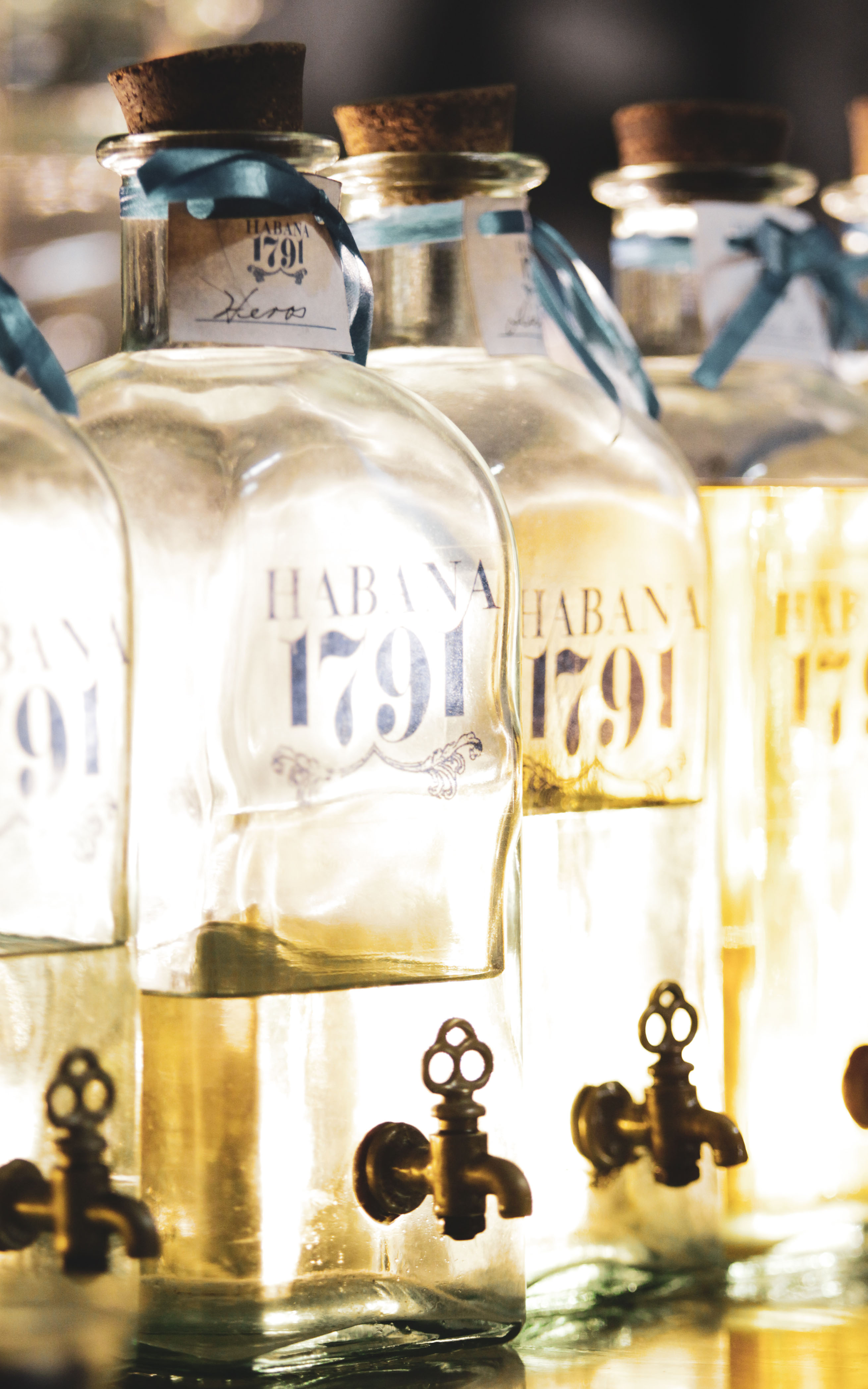
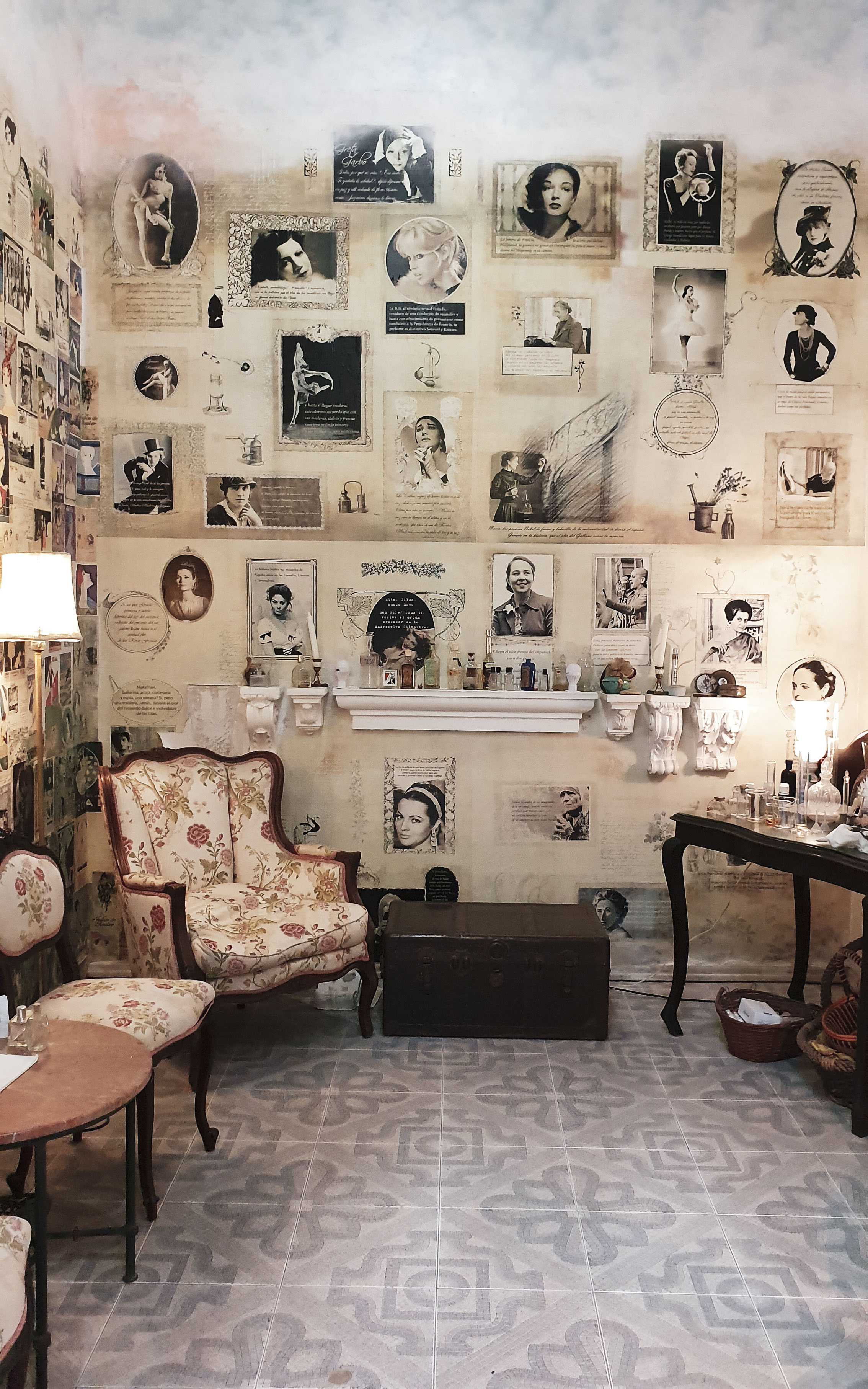
Perfumeria Habana 1791 – ten oryginalny sklep z perfumami znajduje się w XVIII-wiecznej rezydencji na rogu ulic Mercaderes i Obrapia, w sercu Starej Hawany.
Składem ręcznie wytwarzanych perfum Habana 1791 są esencje m.in. z kwiatów rosnących na wyspie oraz roślin zachowanych z czasów Kuby Kolonialnej: róża, jaśmin, fiołek, kwiat pomarańczy, ylang-ylang, paczula, lilia, wetiweria, drzewo sandałowe, tytoń, cytryna i lawenda. Inspiracją dla zapachów jest również tytoń, wody kolońskie, kawa, czyli atmosfera kolonialnej Kuby.
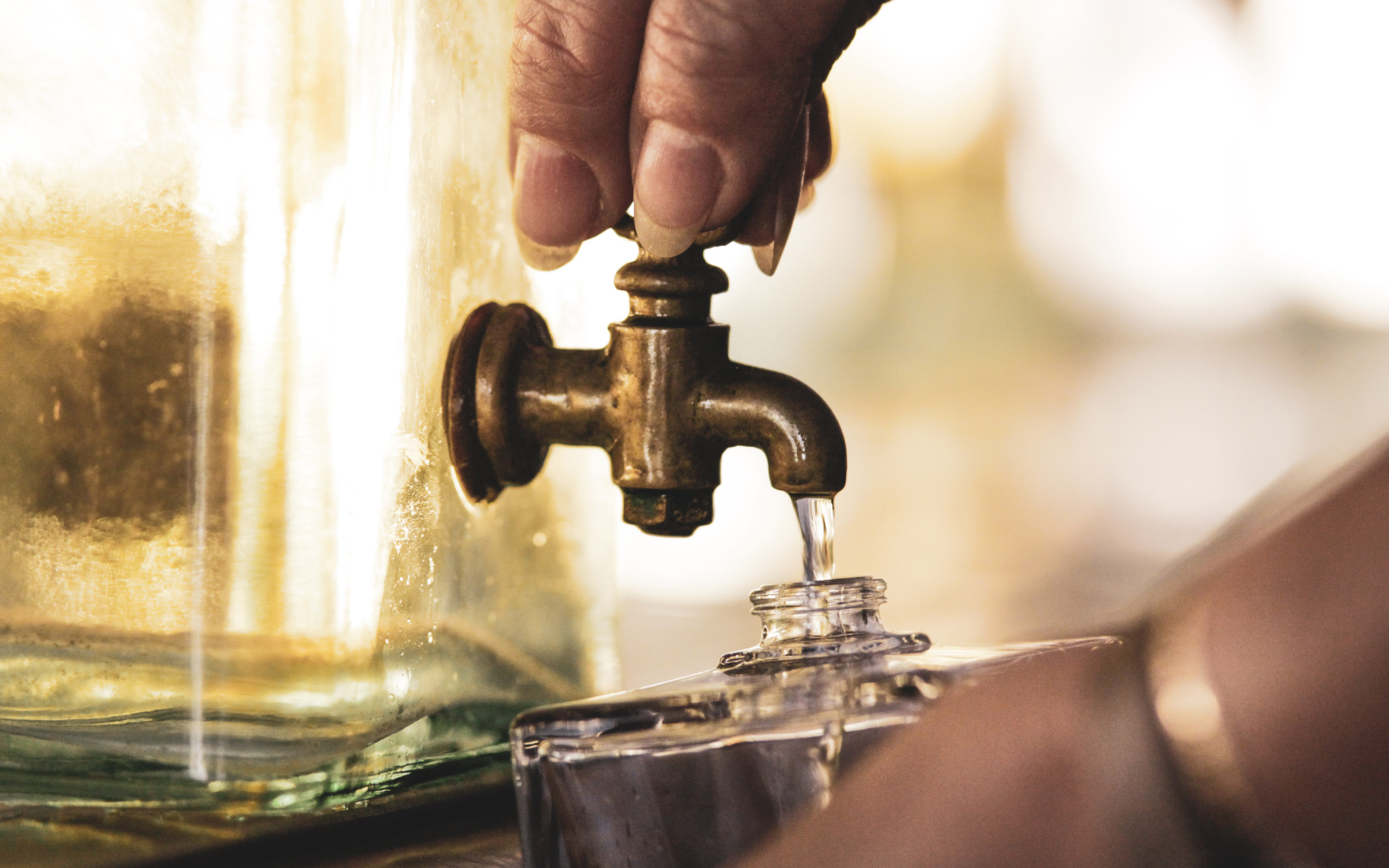
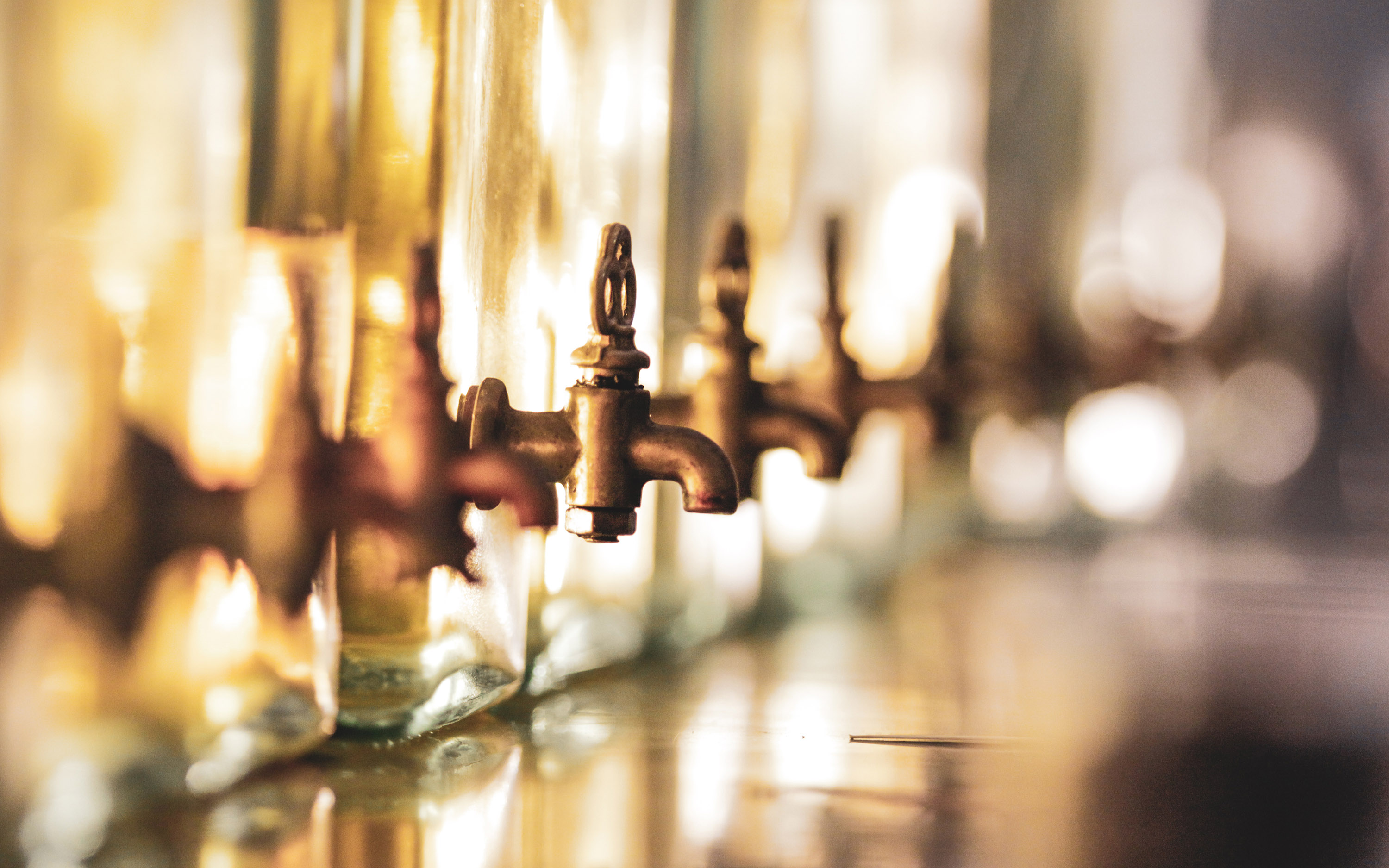
A jeśli wśród gotowych kompozycji nie znajdziecie tego wyjątkowego zapachu dla siebie, na miejscu zazwyczaj jest osoba gotowa przeprowadzić krótki wywiad i zmieszać zapachy by powstała mieszanka niepowtarzalna. Z dużych słojów perfumy przelewane są do mniejszych buteleczek szklanych lub ceramicznych, o wybranej pojemności. Jednym z częściej sprzedawanych zapachów jest Habana Blue. Niestety kartka z listą 4 składników się zawieruszyła. Kiedyś tu powrócę, by uzupełnić.
Habana 1791
Mercaderes 156, Habana Vieja
5. Masaż
Gabinet masażu z zaskoczeniem odkryliśmy idąc ulicą Obrapia. Duże odsłonięte okna odkryły pomieszczenie z dwoma łóżkami do masażu. Do środka wchodzimy przez Perfumerię Habana 1791. Masażystą jest fizjoterapeuta José Luis Vázquez, który urodził się i mieszka w Havanie, ma dziś 52 lata, a w obecnym miejscu pracuje od 2 lat.
W ofercie miejsca są masaże: ogólny relaksujący, rozluźniający, antycellulitowy i terapeutyczny. W praktyce okazało się, że najlepiej po prostu zdecydować się na godzinę masażu, a masażysta sam znajdzie miejsca bólu lub z problemami i pomoże.
Jeśli lubisz masaż, to odwiedziny w gabinecie masażu w Hawanie u José Luisa Vázqueza powinny być na Twojej liście. Dla mnie była to możliwość odpoczynku i relaksu po dniach wypełnionych po brzegi marszem ulicami Hawany – satysfakcjonującymi, ale też męczącymi. Podczas masażu, za zasłonami i oknami toczy się tłumione przez szyby codzienne życie Hawany, ale i tak uśniecie.
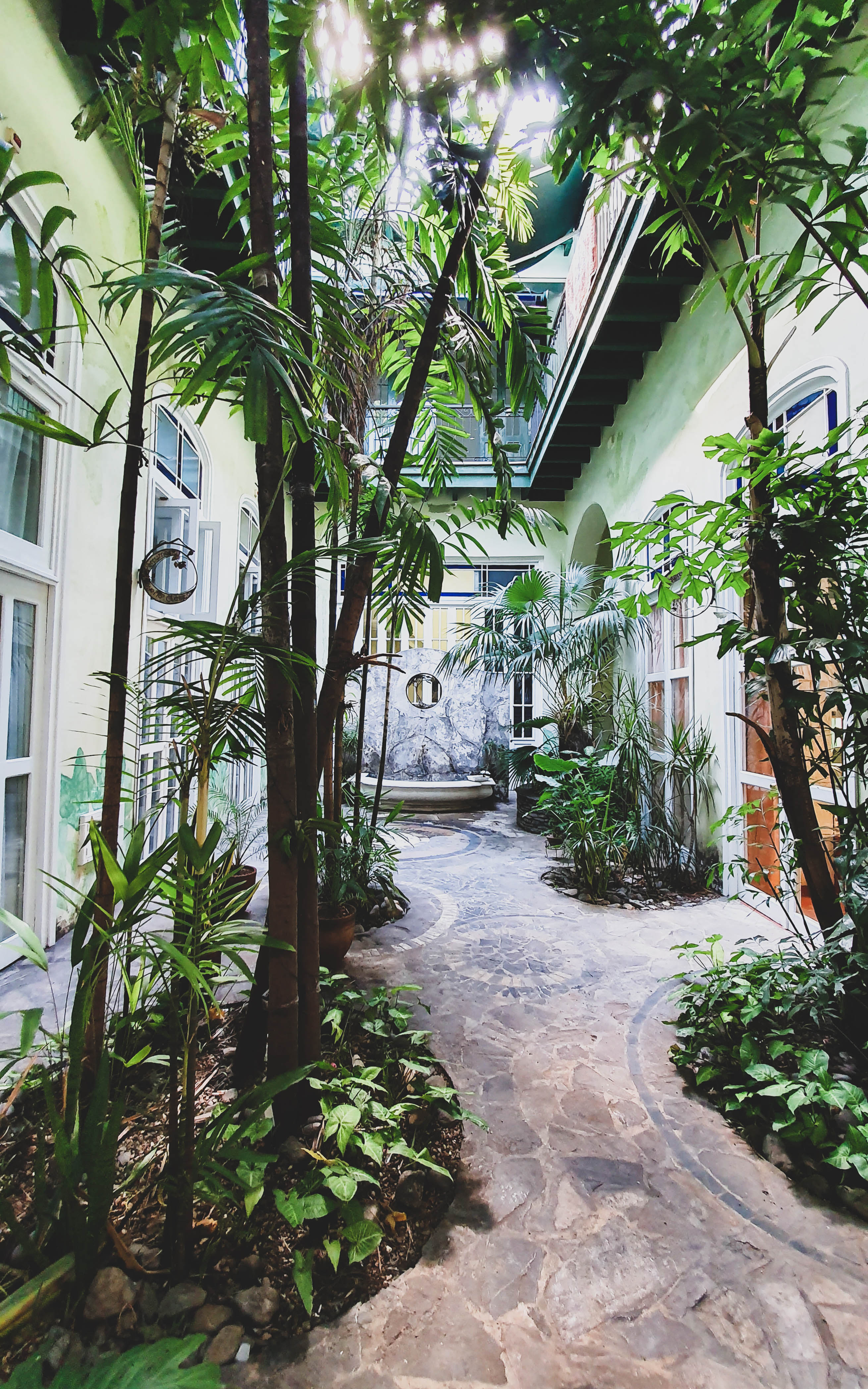

wejście przez perfumerię Habana 1791
Mercaderes 156, Habana Vieja
6. Bar otwarty na uliczny gwar
To moje miejsce w Hawanie na śniadania i czarną herbatę z przytulnym wnętrzem kolonialnej kamienicy urządzonym w stylu vintage z betonowymi stolikami, wygodnymi starymi sofami, lodówką w obłych kształtach, wieloma designerskimi wiatrakami, starymi metalowymi plakatami. W ucho wpada starannie dobrana muzyka, a ze stolików i antresoli przez wysokie drewniane okiennice od samej podłogi widać tętniącą życiem ulicę Obrapia. Aha, jeśli chodzi o herbatę, to czarna jest na Kubie jest rzadkością i trudno ją dostać. A jeśli zamówisz herbatę nie precyzując, że chodzi o czarną, zazwyczaj otrzymasz miętę lub rumianek.
W karcie Bar de Luca znajdziesz talerz śniadaniowy (5 CUC), kanapki (3,5-6 CUC) i smoothie z jogurtem i sezonowymi owocami (3 CUC). Również przekąski, pizzę w kilku opcjach (~6 CUC), kawę (1-2 CUC) i wybór alkoholi i drinków (3-5 CUC).
Zawsze części dań w karcie brakowało przez brak produktów mięsnych i innych, ale przy dużym głodzie wystarczała mi pizza wegetariańska.
Wracałem tu kilka razy, czasami na śniadanie i rozpoczęcie dnia, czasami wieczorem po zachodzie słońca by odpocząć.
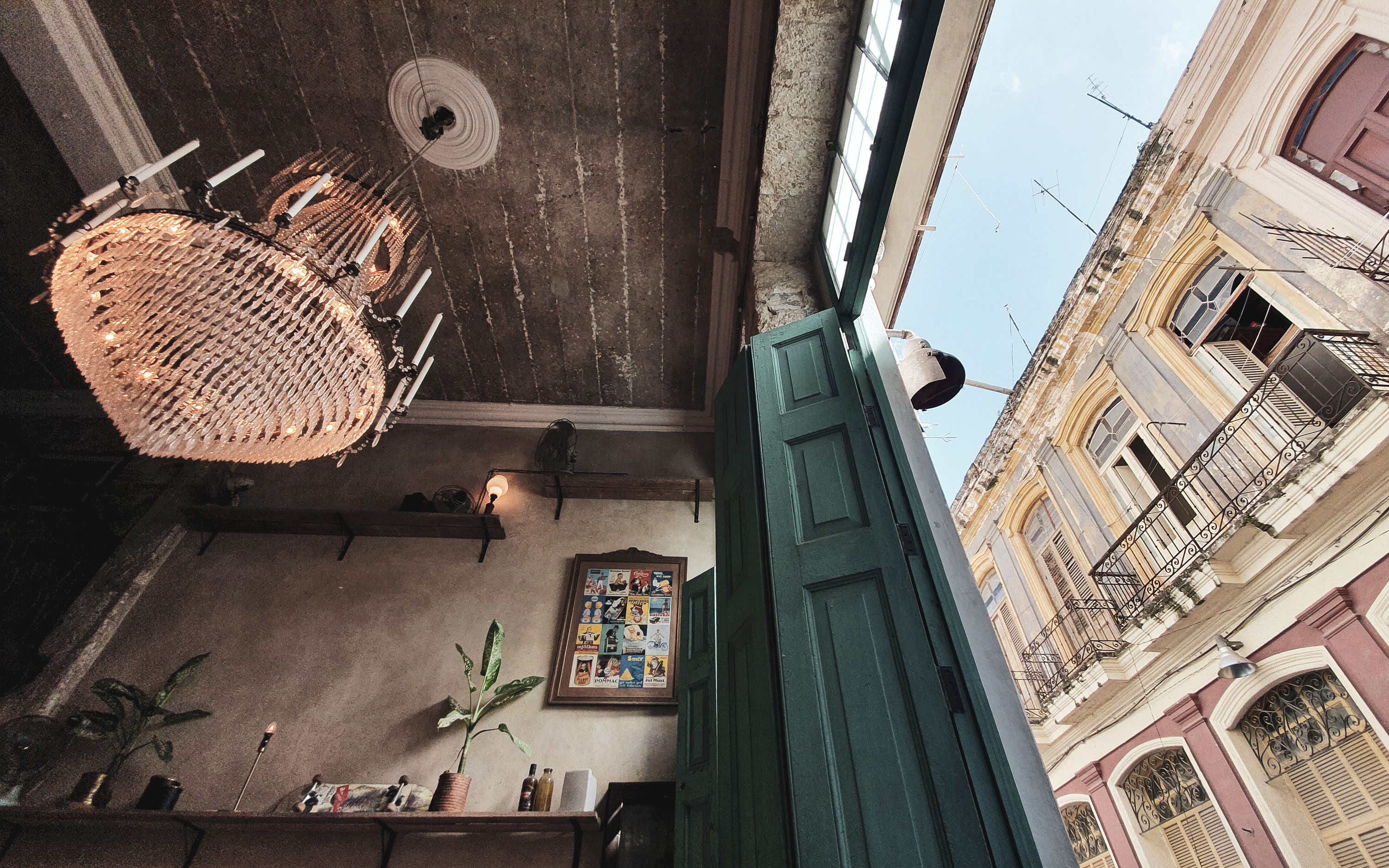
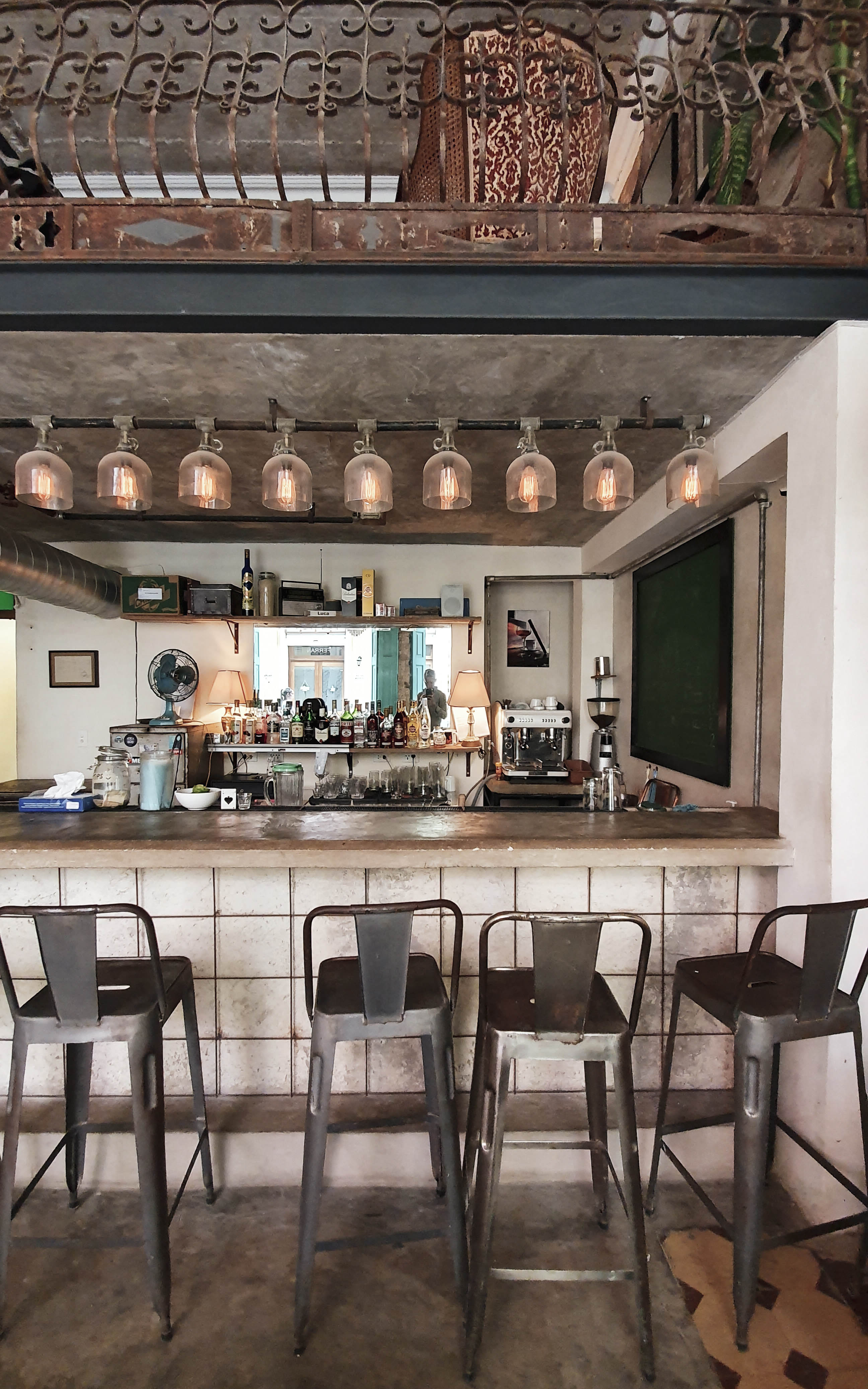

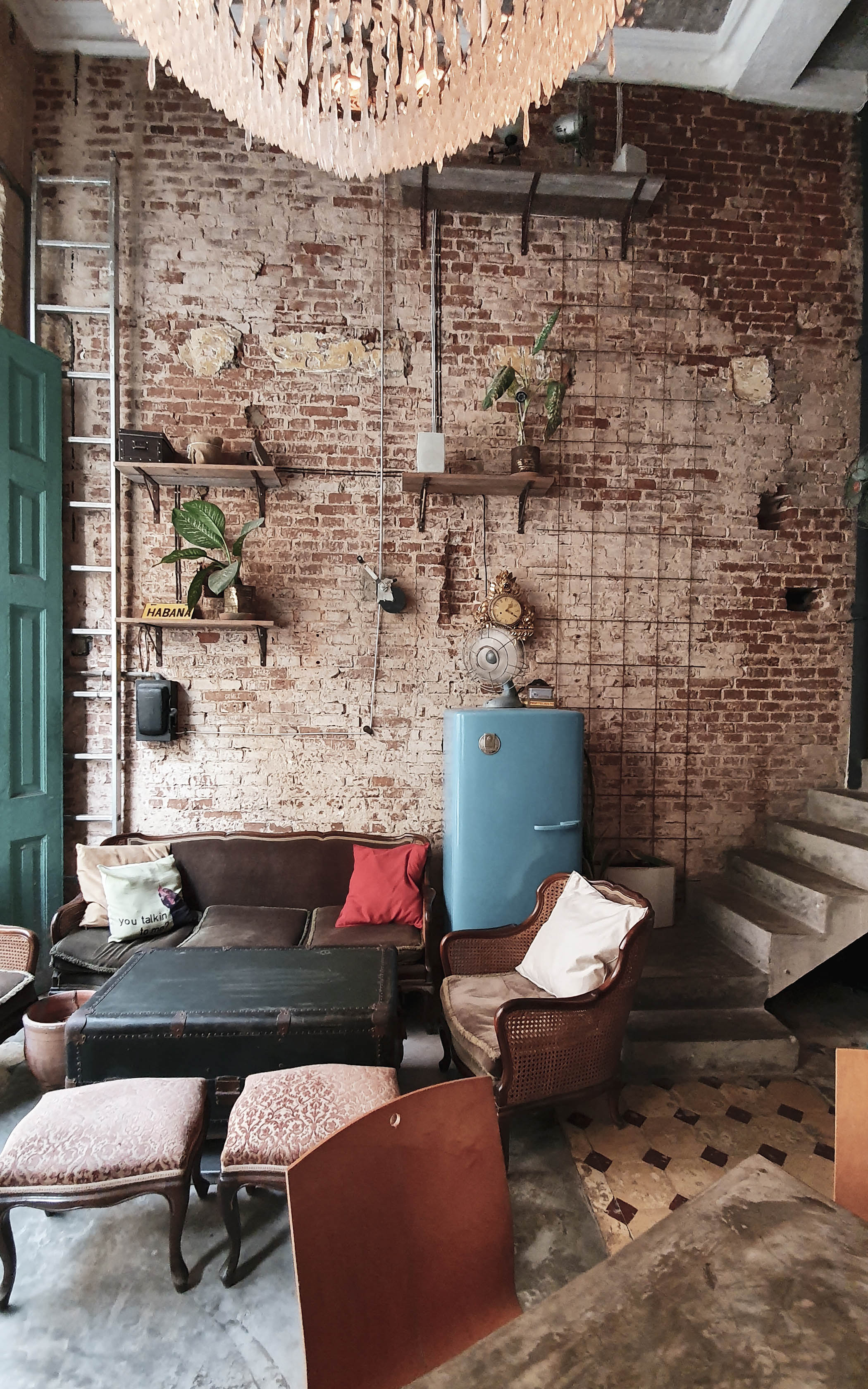
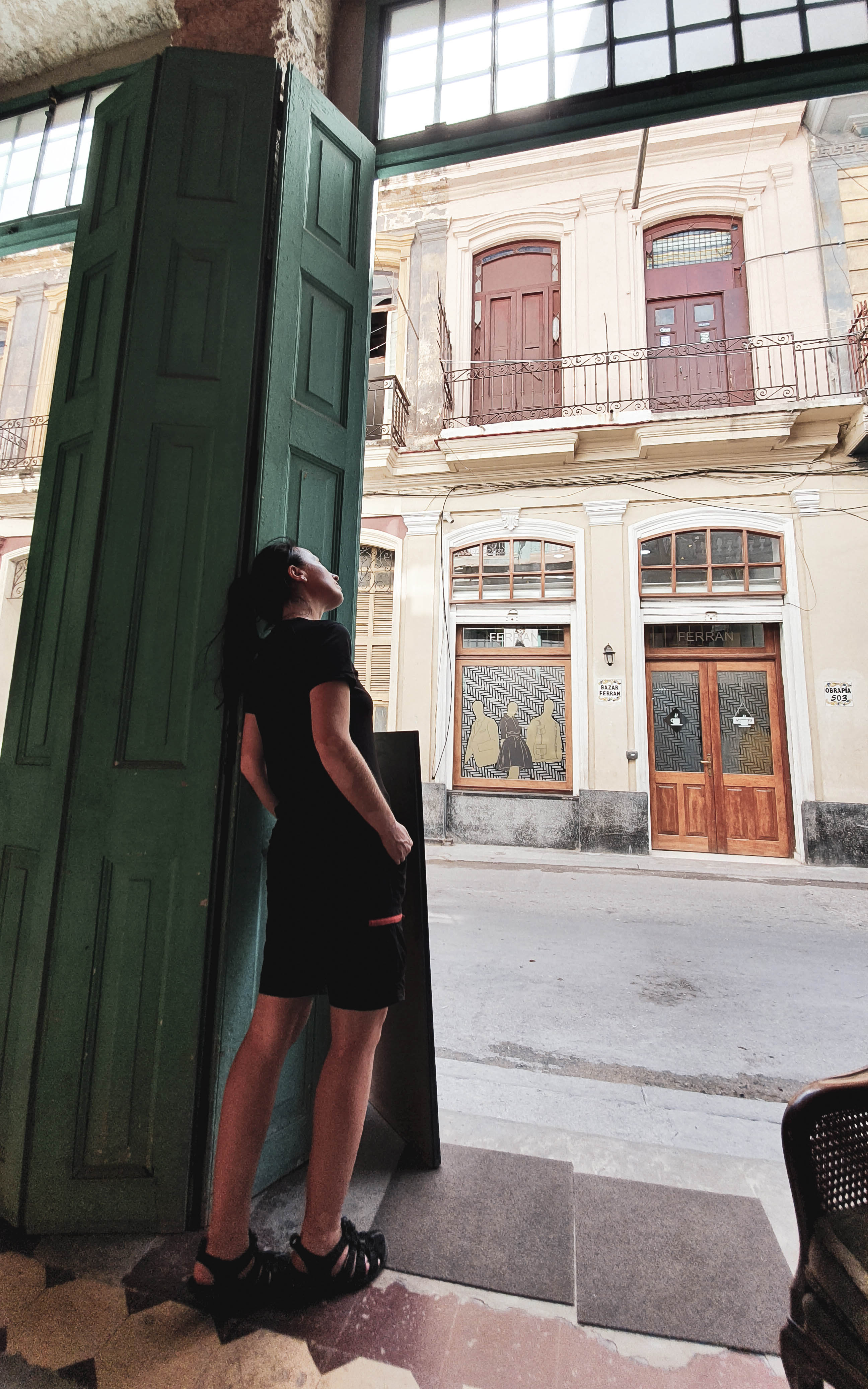
Bar de Luca
Obrapia 504, Habana Vieja
7. Świeżo palona kawa
O’Reilly to miejsce, w którym mieszkańcy Hawany kupują najlepszą kawę. Ziarna pochodzą z Kuby i są wypalane (i na życzenie mielone) tutaj w kawiarni w zasięgu wzroku! To cenne, bo nie każda kawa kupiona na Kubie będzie kubańska: dla hoteli, gastronomii i do sprzedaży detalicznej kawa jest importowana. Za 0,5 kg kawy płaciłem 8 CUC, a ponieważ kupiliśmy 3 kg, sklep po naszych zakupach zakończył pracę i kolejka musiała się rozejść. O’Reilly to nie tylko miejsce, gdzie można kupić kawę, ale rustykalna dwupiętrowa kawiarnia dodatkowo z lodami, przekąskami i napojami.


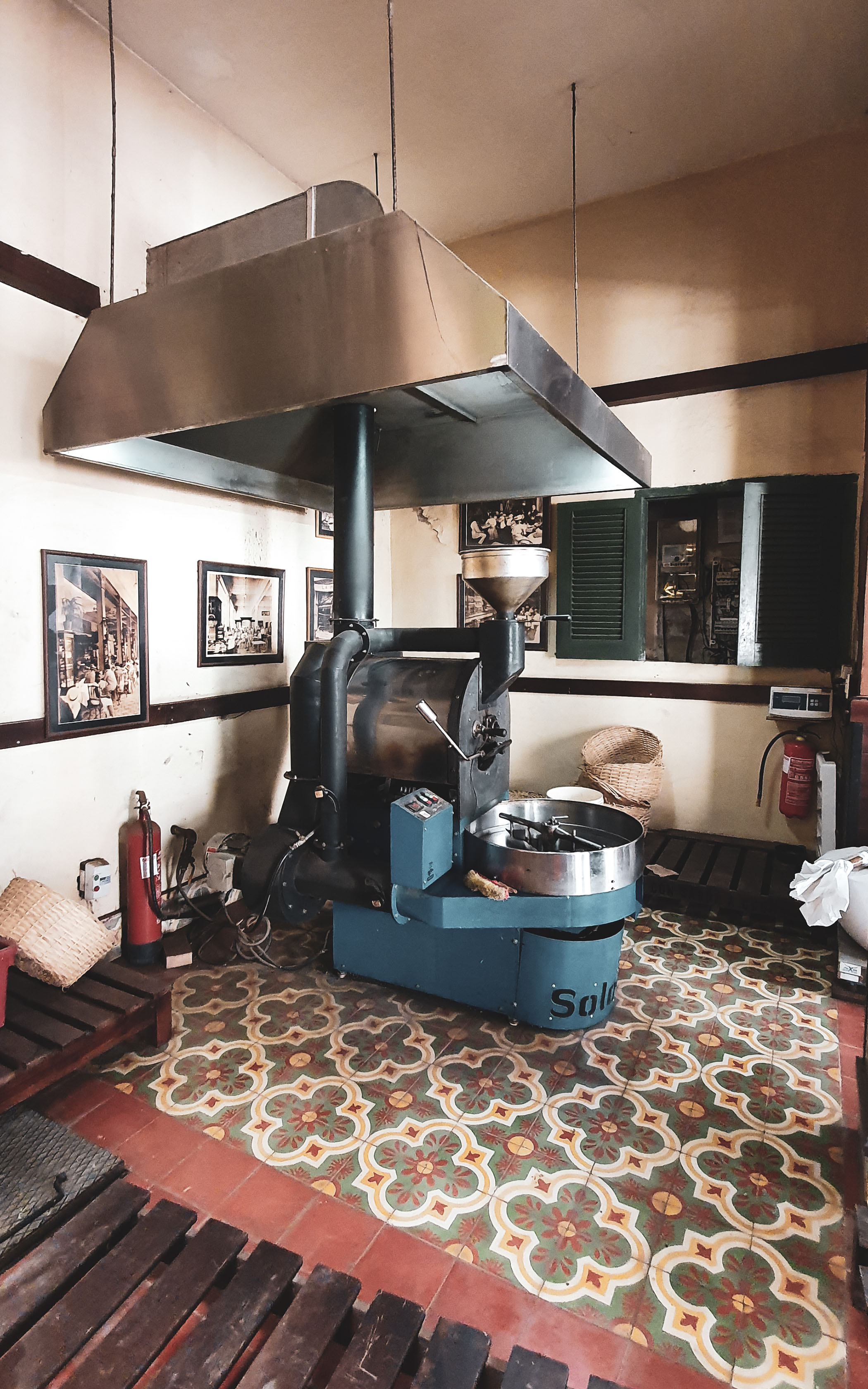

Cafe O’Reilly
O’Reilly 203, Habana Vieja
8. Skarby na pchlim targu
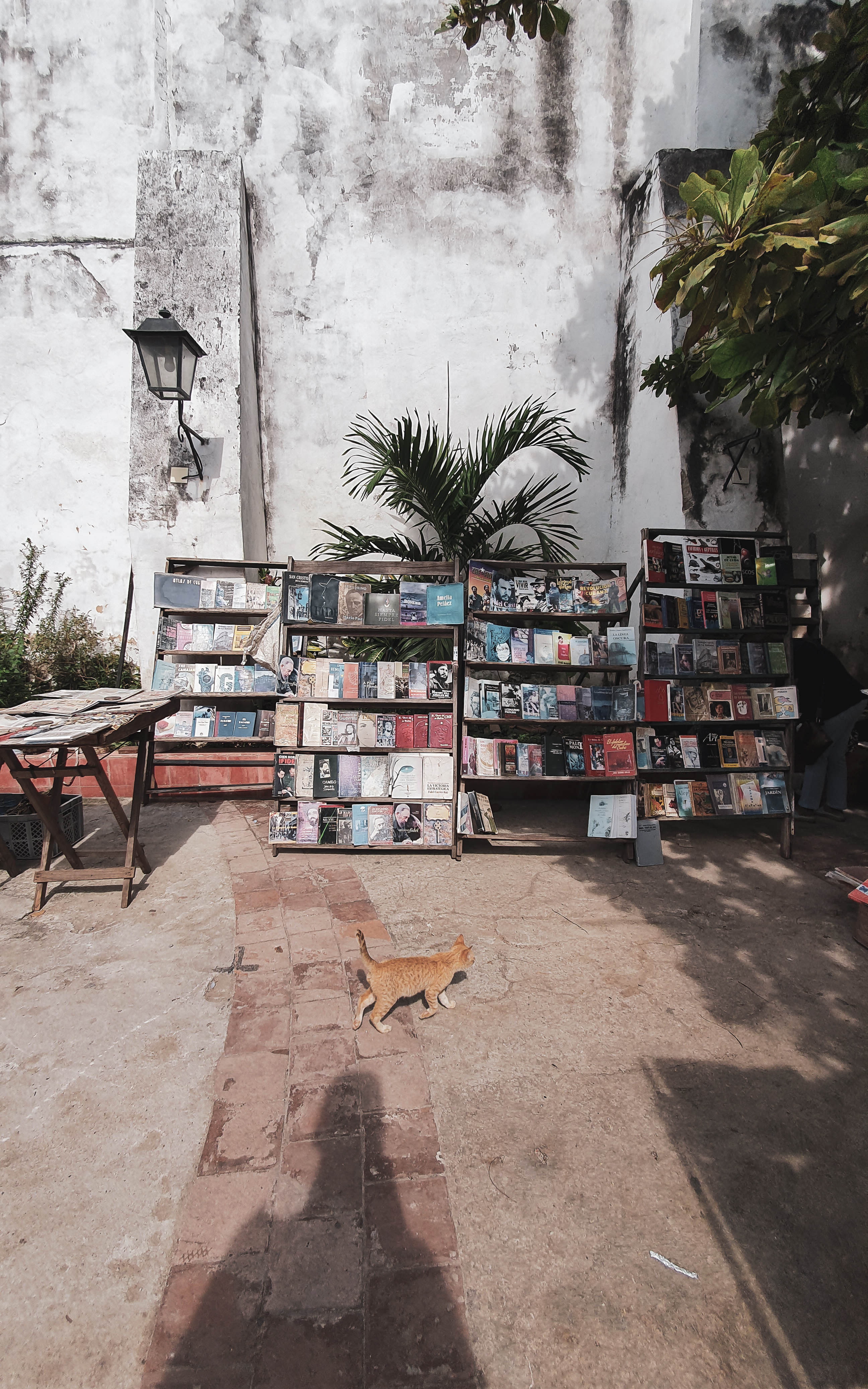
Kilka stoisk ze starociami odkryłem całkiem przypadkowo w miejscu innym niż sugerował przewodnik. Pchli targ, o ile nie był tu na chwilę, znajdziesz pomiędzy Placem Świętego Franciszka z Asyżu a Terminalem Sierra Maestra, z wejściem w zaułek od ulicy San Pedro. Na stoiskach piętrzą się książki, czasopisma i komiksy w różnych językach, tablice rejestracyjne (sprzedawcy sugerują, że oryginalne), biżuteria i drobiazgi.


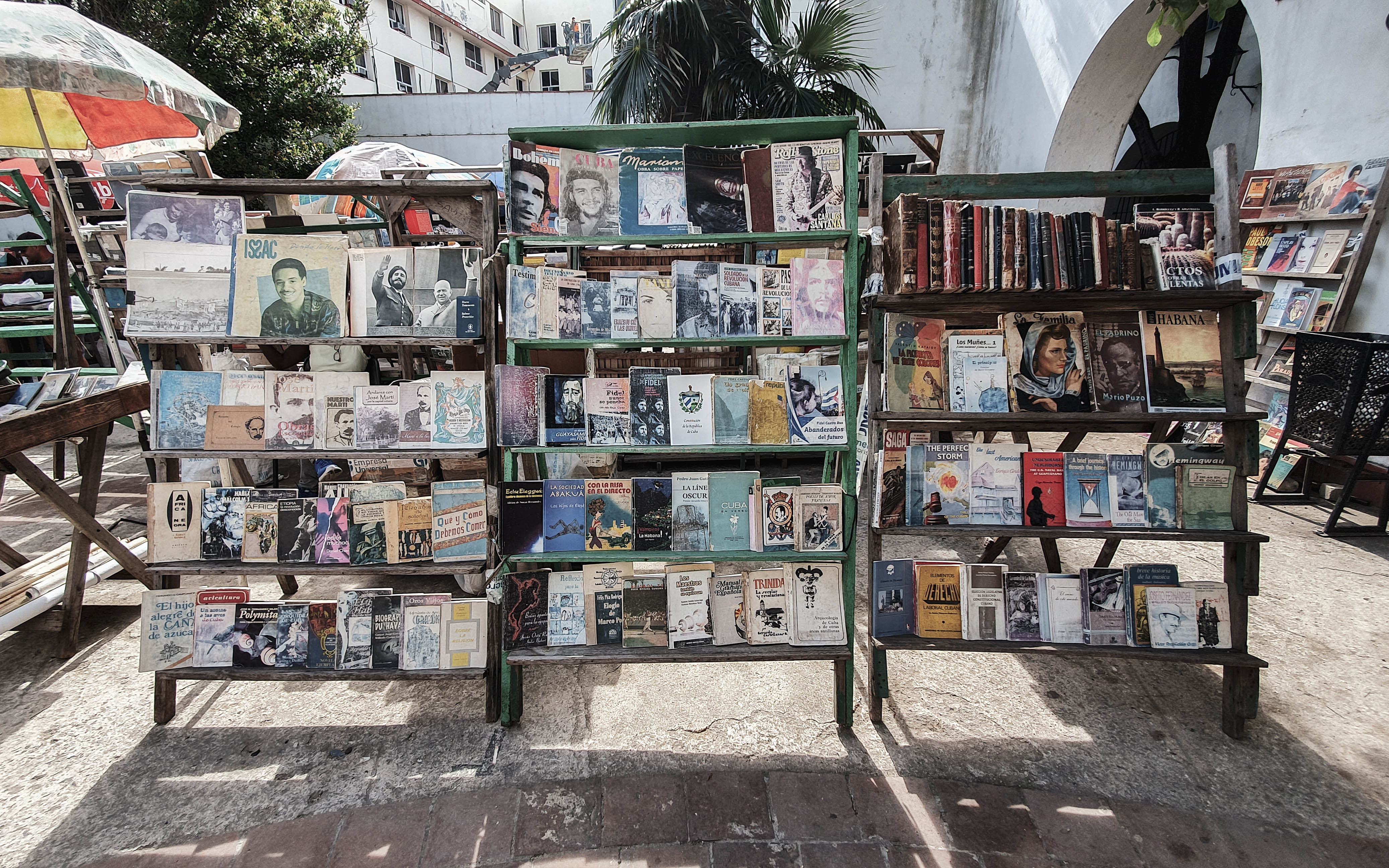
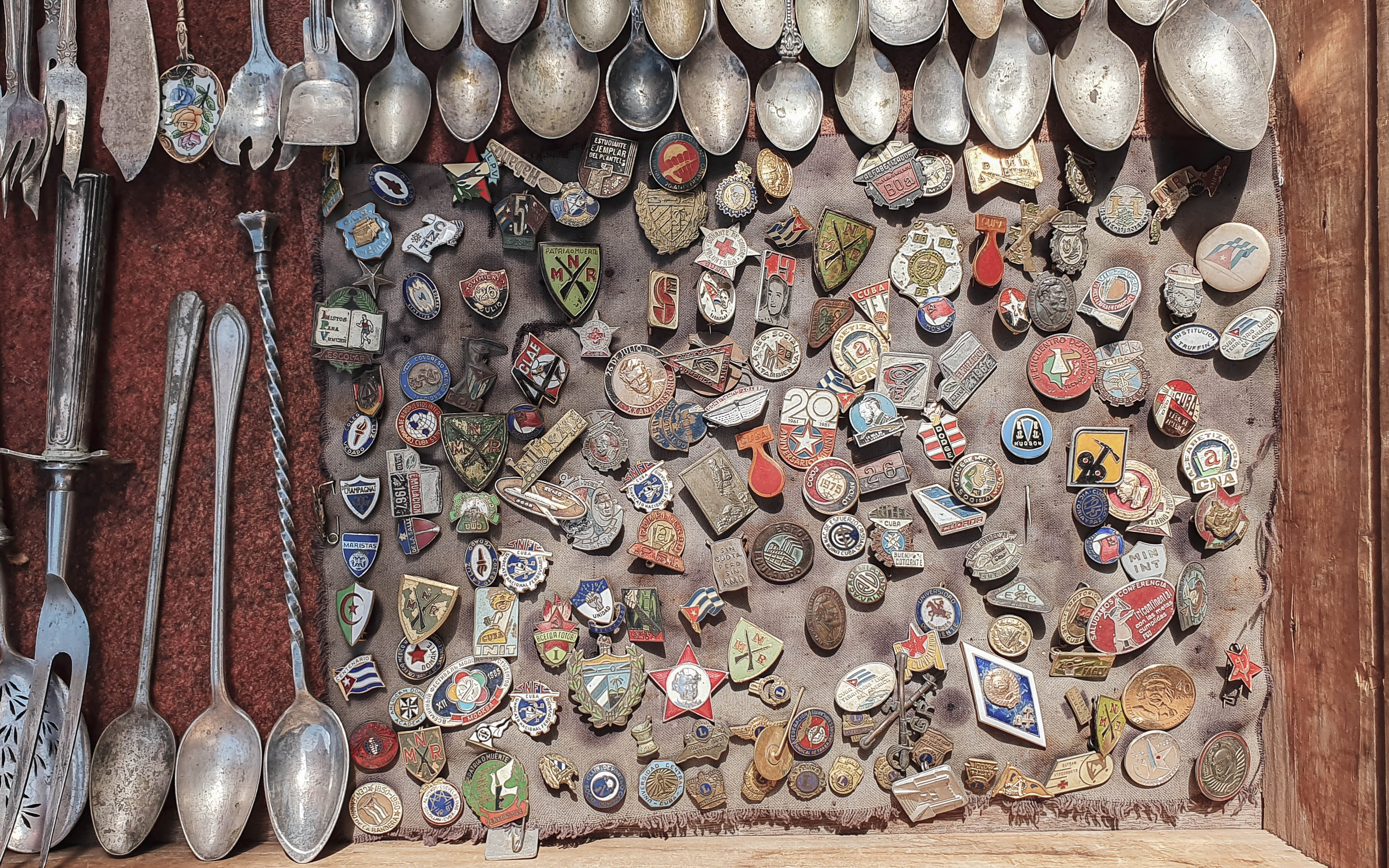
9. Kosmetyki naturalne i pamiątki z Hawany
Almacenes San José Artisans’ Market jest dużym budynkiem, w którym zastaniecie dziesiątki stoisk z pamiątkami z Kuby. Zaobserwowałem, że to miejsce często uczęszczane przez wycieczki organizowane przez biura podróży, dla możliwości zrobienia szybkich zakupów przez tłumy wylewające się z autokarów. Ceny tutaj są na tym samym poziomie, co w sklepikach rozsianych po Starym Mieście. Jeśli chcecie zrobić większe zakupy to warto tu zajrzeć ze względu na większy wybór, choć trzeba się uzbroić w cierpliwość – miejsce odpycha ze względu na sprzedawców bardzo nachalnie zapraszających do sklepów. Czasami mimo, że byłem czymś zainteresowany, wolałem przejść dalej.
Ale jedno stoisko jest inne od pozostałych. Pod marką D’Brujas kupicie ręcznie produkowane mydła z naturalnych składników, wzbogacone o mieszanki ziołowe. Mydła pachną m.in. miodem, kawą, miętą, rumiankiem czy wytłoczynami z wina.
Na stoisku poznałem założycielkę firmy, Sandrę Aldama, która opowiedziała o produktach, zapachach i nazwie D’Brujas nawiązującej w oryginale do kobiety, czarownicy i natury. Kolejnym poziomem po produkcji w pełni naturalnych produktów jest dla marki polityka zero waste w sprzedaży hurtowej niepakowanych mydeł.


D’Brujas
shop 432, Almacenes San José Artisans’ Market,
Avenida del Puerto corner of Calle Cuba, Habana Vieja
Drugi sklep D’Brujas znajdziesz w Hawanie Vedado, przy ulicy Linea.
10. Restauracje i bary w Alei Fryzjerów
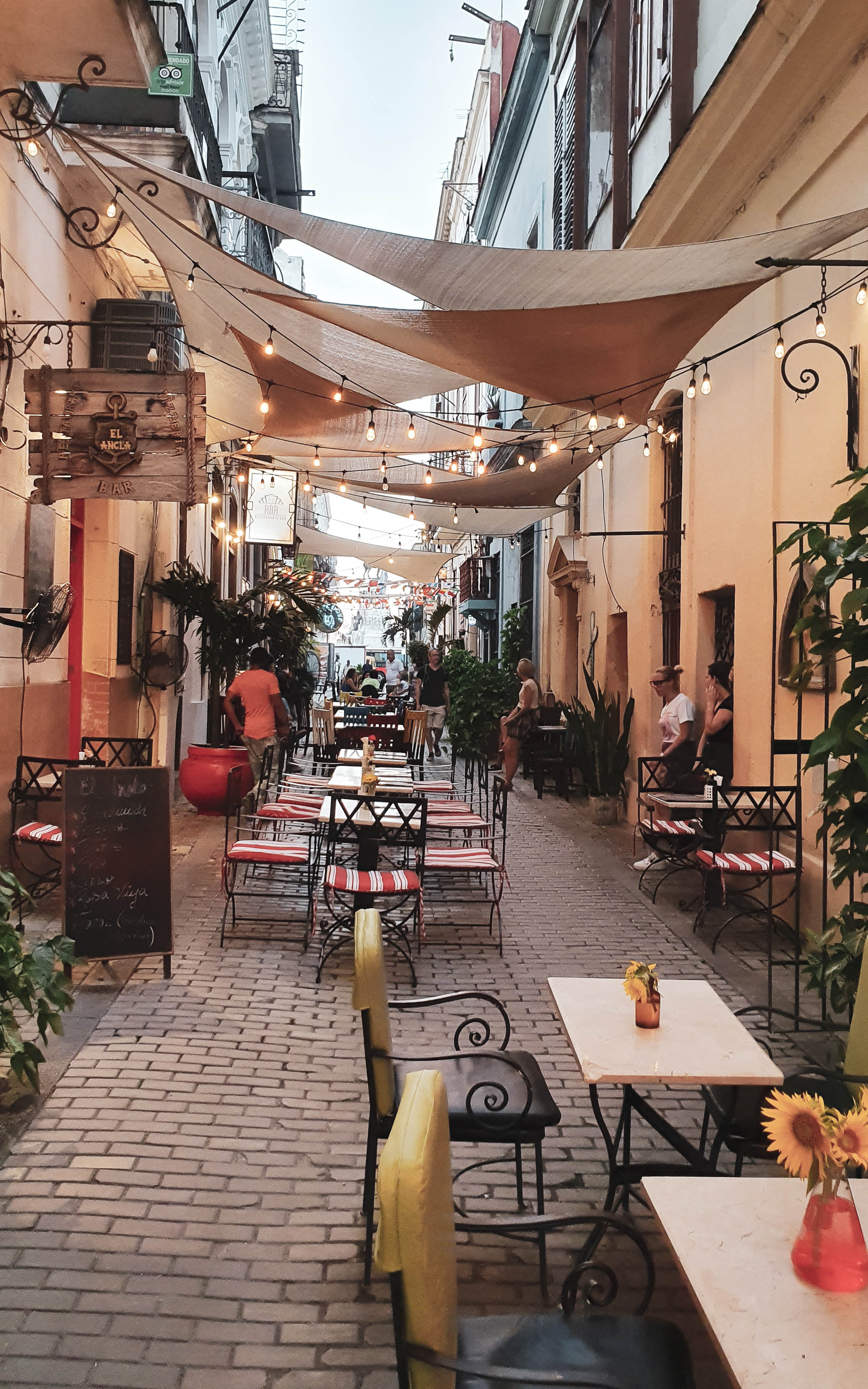
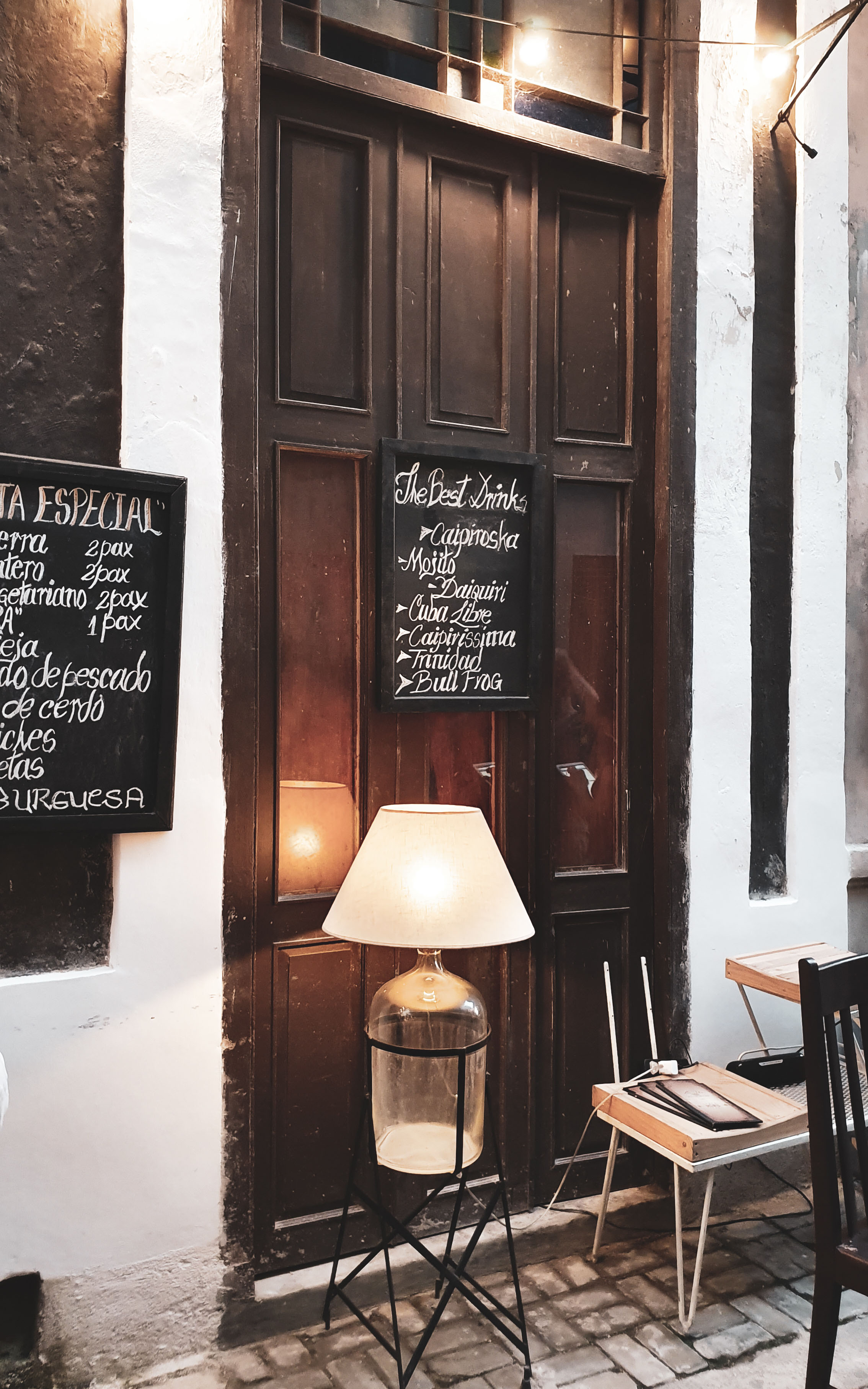
Kilkanaście minut pieszo od Placu Katedralnego dzieli do Callejón de los Peluqueros (Aleja Fryzjerów) będącej wąską promenadą znajdującą się na początku ulicy Aguiar, blisko przy Pomniku Generała Gómeza. Stąd już 100 metrów do Maleconu. Uliczka skupia bary i restauracje, sklepy z rękodziełem i punkty z usługami fryzjerskimi. Aby tutaj dotrzeć przykładowo obierz jako cel Aguiar 22, czyli Ara Restaurante Bar.

English version
A unique city on an exotic island. With the inhabitants who live most day-to-day living, vividly touching revolutionary, political and current change issues. With colonial architecture and cars, sometimes shiny and sometimes shattered. Not so long ago Fidel Castro, Ernesto Che Guevara, Ernest Hemingway were here. After penetrating the area, it seems that it is not history and the past yet.
Old Havana is a mix of narrow streets, atmospheric squares, over 900 buildings – often picturesque and with historical value, fruit stalls, shops with rum and drinks that may look old and neglected. Also restaurants and colorful souvenir shops. You can clearly see the inexorable passage of time on decaying buildings or their remains. Unfortunately, sometimes the new ones, in place of old palaces and tenement houses, do not refer to the colonial climate anymore, they are just ordinary cuboids. But thanks to the efforts of UNESCO, other buildings after renovation retain their old climate and the impression of several layers of plaster in different colors. Walking through Havana you will often pass a mountain of trash and stinking alleys. Old Havana is full of pets, but poor in squares and green spaces, so the toilet is narrow streets that are the only way for pedestrians, bicycles, rickshaws and iconic cars. Those are an inseparable element of the environment. Most often they are buicks, chryslers, hudsons and fords.
This mosaic in the city landscape causes, that while exploring and wandering the streets interlace delight and regret, euphoria and disgust, but the spirit of time and still vivid moods and revolutionary memories are present here so much, that Havana attaches to itself and makes longing after leaving her.
It is a city so original, unique, with historical and cultural value that it has been named one of the most important places in all of Latin America.
The key to choosing the following places is simple. Either I returned to the place in the Old Town many times, or I was so positively surprised that I marked them on the map. I invite you to Old Havana. Walking between these places you can hear music played on the street or emanating from numerous pubs or restaurants.
1. One or four squares
Attention of the visitors the Old Town of Havana focuses mainly on 4 squares, connecting them street networks and buildings concentrated in this area. These squares are: Plaza de la Catedral, Plaza de Armas, Plaza de San Francisco and Plaza Vieja.
Each of the listed squares has a slightly different surface and a different character, they are connected by labyrinths of the most picturesque streets in the whole Havana, so it is a good idea to explore the Old Town on a walk between all four points.
However, if you only have time for one – the square I used to return to was Cathedral Square. The cathedral built in the years 1748 – 1787 with two uneven towers and a baroque facade, historic tenement houses, pavement and music coming from the restaurant create an absolutely unique atmosphere both at sunrise, in the southern heat, when the heat emits from the pavement and in the evening. I happened to sit on the step and watch life in the square or wait under the roof for an hour until the downpour passes from the deserted Plaza de la Catedral.
Several dozen meters separates you from The Cathedral Square to the pub La Bodeguita del Medio, famous because it was one of the two favorite cafes visited by Hemingway on Mojito and Daiquiri. It is usually crowded and the crowd also gather in front of the tenement house. Even if you don’t stop here for a drink, it’s worth visiting this place filled with bustling atmosphere and loud music to feel the atmosphere of loud and enthusiastic Cuba.
2. The best kitchen with live music
Our idea for Old Havana was to walk around all streets. Waving so street by street we got to the restaurant La Calesa Real. For the first time we looked here unsure of offers, in the following days we returned for large dishes and delicious cuisine.
In the menu you will find dishes based on meat, fish and seafood. Shrimp and lobster in several ways. Rice in many versions, including vegetarian, paella, risotto, pasta. The prices of dishes are in the range 5-12 CUC, fried rice 4 CUC, pasta ~ 5 CUC, desserts ~ 3 CUC, juice, coffee and tea ~ 1-2 CUC.
The card is also refined for drinks (4-5 CUC), and for those looking for drinks without alcohol waiting fruit cocktails (2-3 CUC).
In the evenings Cuban live music is played in the restaurant, I remember this place also because of the very friendly service.
1 CUC (Cuban convertible peso) ≈ 0.90 EUR
La Calesa Real
Compostela 359, between Obrapia and Lamparilla, Habana Vieja
3. There is a patisserie here
We discovered the Dulcería La Especial de Compostela patisserie near the La Calesa Real restaurant. I did not expect that in another part of the world, especially in Cuba, which lack products in stores, I will eat cakes and desserts that are identical in taste to those in Poland. The visit here allowed to recharge the batteries and delay hunger and a warm meal for a few hours cheap, for Cuba, at a cost of 0.7 CUC.
Dulcería La Especial de Compostela
Compostela 310, between Obispo and Obrapía, Habana Vieja
4. Immerse yourself in perfume fragrances
Habana Perfume 1791 – This original perfume store is located in an 18th-century mansion on the corner of Mercaderes and Obrapia, in the heart of Old Havana.
The composition of hand-made Habana 1791 perfumes are essences including from flowers growing on the island and plants preserved from the time of Colonial Cuba: rose, jasmine, violet, orange blossom, ylang-ylang, patchouli, lily, vetiver, sandalwood, tobacco, lemon and lavender. The inspiration for fragrances is also tobacco, colognes, coffee, i.e. the atmosphere of colonial Cuba.
And if among the ready-made compositions you do not find this unique fragrance for yourself, there is usually a person on the spot ready to conduct a short interview and mix the fragrances to create a unique blend. From large jars, perfumes are poured into smaller glass or ceramic bottles of the selected capacity. One of the more frequently sold fragrances is Habana Blue. Unfortunately, the card with the list of 4 ingredients has been lost. Someday I will come back here to complete.
Habana 1791
Mercaderes 156, Habana Vieja
5. Massage
We discovered the massage room accidentally, walking down Obrapia street. Large, exposed windows revealed a room with two massage beds. We get inside through Perfumery Haban 1791. The masseur is a physiotherapist José Luis Vázquez, who was born and lives in Havana, now is 52 years old, and has been working in the present place for 2 years.
The offer includes massages: general relaxing, loosening, anti-cellulite and therapeutic. In practice, it turned out that the best is to decide on an hour of massage and the masseur will find places of pain or with problems by himself and help.
If you like massage, then a visit to the José Luis Vázquez massage room in Havana should be on your list. For me, it was the opportunity to rest and relax after days filled to the brim walking down the streets of Havana – satisfying, but also tiring. During the massage, Havana’s everyday life suppressed by the windows goes behind the curtains and windows, but you will still fall asleep.
Go through Habana 1791
Mercaderes 156, Habana Vieja
6. Bar open to street bustle
This is my place in Havana for breakfast and black tea. With a cozy interior of a colonial tenement house decorated in vintage style with concrete tables, comfortable old sofas, a fridge in round shapes, many fancy windmills, old metal posters. Carefully selected music falls in the ear. From the tables and the mezzanine through the wooden shutters, high from the floor, you can see the lively Obrapia street. Oh, when it comes to tea, black is rare in Cuba and it is difficult to get it. And if you order tea without specifying that you want black, you will usually get mint or chamomile.
The Bar de Luca menu includes a breakfast plate (5 CUC), sandwiches (3.5-6 CUC) and a smoothie with yogurt and seasonal fruit (3 CUC). Also snacks, pizza in several options (~ 6 CUC), coffee (1-2 CUC) and a selection of alcohols and drinks (3-5 CUC).
I have been returned here several times, sometimes for breakfast and starting the day, sometimes in the evening after sunset, to relax.
Bar de Luca
Obrapia 504, Habana Vieja
7. Freshly roasted coffee
O’Reilly is a place where the people of Havana buy the best coffee. Beans come from Cuba and are roasted here in a cafe on sight! On request, also grind. Not all coffee bought in Cuba will be Cuban. For hotels, gastronomy and for retail coffee is imported. I paid 8 CUC for 0.5 kg of coffee, and because we bought 3 kg, the store ended work after shopping and the line had to separate. O’Reilly is not only a place where you can buy coffee, but a rustic two-story café with ice cream, snacks and drinks.
Cafe O’Reilly
O’Reilly 203, Habana Vieja
8. Treasures at a flea market
I discovered several antiques booths quite accidentally in a other place than the guide suggested. If it haven’t been here just for a while, you’ll find the flea market between Saint Francis of Assisi Square and the Sierra Maestra Terminal, with the entrance to the alley from San Pedro Street. The stands are piled with books, magazines and comics in different languages, license plates (sellers suggest original), jewelry and small items.
9. Natural cosmetics and souvenirs from Havana
Almacenes San José Artisans’ Market is a large building where you will find dozens of stands with souvenirs from Cuba. I noticed that this place was often attended by trips organized by travel agencies, for the possibility of making quick purchases by crowds spilling out of buses. Prices here are at the same level as in stores scattered around the Old Town. If you want to do more shopping, it is worth taking a look here because of the larger selection, although you need to be patient – the place repels due to sellers very intensely inviting to stores. Sometimes, even though I was interested in something, I preferred to move on.
But one stand is different from the other. Under the D’Brujas brand you will buy hand-made soaps made of natural ingredients, enriched with herbal mixtures. Soaps smell like honey, coffee, mint, chamomile or wine pomace.
At the stand, I met the founder of the company, Sandra Aldama, who talked about products, fragrances and the name D’Brujas, which in the original referring to woman, witch and nature. The next level for the brand after the production of fully natural products is the zero waste policy in the wholesale of unpacked soaps.
D’Brujas
shop 432, Almacenes San José Artisans’ Market,
Avenida del Puerto corner of Calle Cuba, Habana Vieja
You will find the second D’Brujas store in Havana Vedado, on Linea Street.
10. Restaurants and bars on Avenue of Hairdressers
A few minutes on foot from the Cathedral Square divides Callejón de los Peluqueros (Avenue of Hairdressers) which is a narrow promenade located at the beginning of Aguiar Street, close to the Monument to General Gómez. From here, 100 meters to Malecon. The street brings together bars and restaurants, handicraft shops and points with hairdresser’s services. To get here, for example, target Aguiar 22, i.e.Ara Restaurante Bar.


 rozwój / coaching / podróże / dochód online
Dodaj komentarz